I ended my previous article, Ken Ham's Darwinism, with the following observation: Ken Ham has fully embraced Post-Flood Rapid Evolution as a mechanism of creating the amazing variation we see today. As he slides further down the slippery slope into the rabbit hole of radical accelerated evolution he has now become, ironically, more accepting of naturalistic... Continue Reading →
Plants and the Biblical Definition of Life: What is Life – Part II
Are plants alive? Ken Ham seems to think so since he refers to “animal or plant life in outer space.” But what does he mean by alive? I think he has only a secular scientific definition of life in mind when he makes these statements. I wonder if he even knows that his own website... Continue Reading →
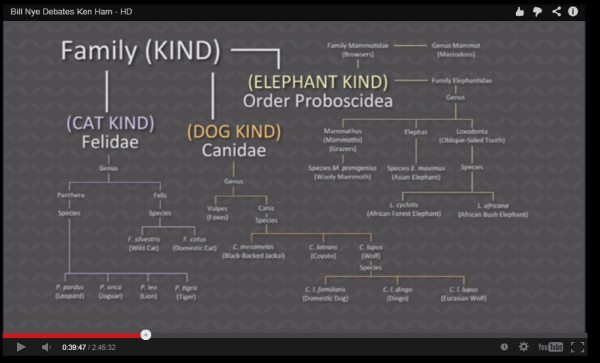
Testing The Creationist’s Hyper-evolution Orchard: Canines, Felines and Elephants
Last week I pointed out that the Bible provides no support for Ken Ham's contention that massive numbers of species have formed following their departure from Noah's ark 4500 years ago (YEC Biblical Evolution: I Have A Book That Says Otherwise). Now I'm following up with "observational" evidence from DNA sequences to test whether the... Continue Reading →
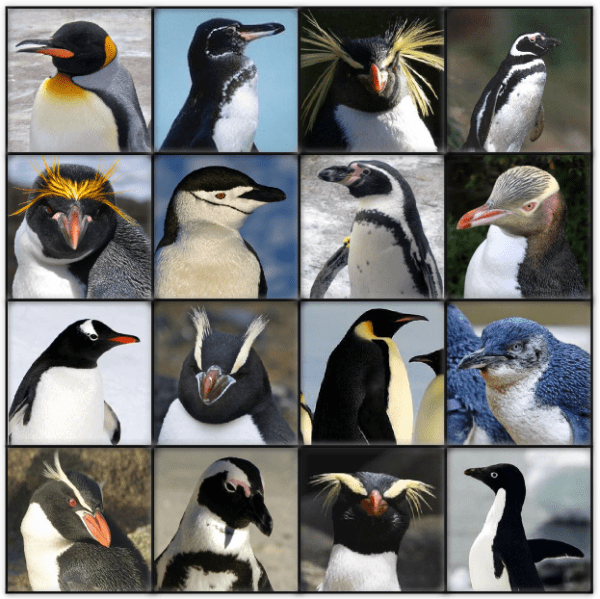
Invoking Super-Speed Evolution: How to Squeeze 10,000+ Bird Species onto Noah’s Ark
There are about 10,000 species of birds alive today. Almost 200 additional species have gone extinct since the year 1500 and there are innumerable fossil species of birds in the geological column. One of the persistent challenges for modern young earth creationists is how to fit the diversity of life on the Noah’s ark. Answers... Continue Reading →
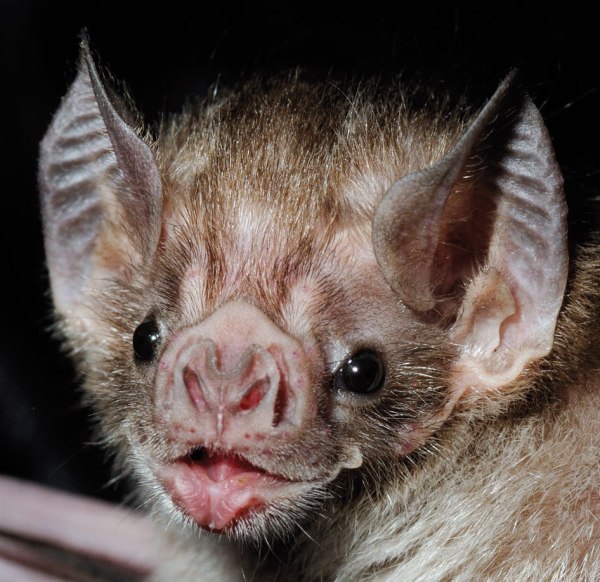
They Have the Gene but Blood is Not Sweet Nectar to the Vampire Bat
In my class yesterday I reviewed a paper selected by my students that explored the sweet tasting abilities of bats. We learned that most, but not all, bats can taste sugar like other mammals. I did not know much about mammalian taste receptors (that is one problems with letting students pick the topics!) and I... Continue Reading →
NH Notes: A Trunk and Tusk-Challenged Fossil Elephant
I have been thinking about Elephants the last couple of days and may write more about elephant following in the vein of my recent posts on horses. For now I just want to introduce you to one really weird extinct elephant. I call it an elephant because of its obvious similarities but just like with... Continue Reading →
The New Zealand Flora: Flightless Moas as Agents of Natural Selection
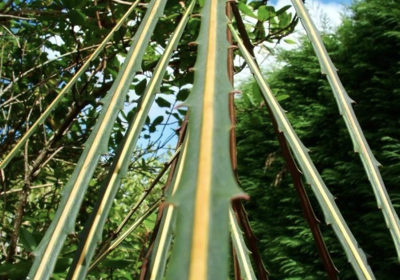
Plants aren't just helpless victims of herbivory. They find ways to fight back against those voracious animals that can ravage them in short order. Plants can produce toxins, spines, thorns, glass crystals in their cells and many other defenses but all of these defenses require a significant allocation of energy. That energy could be spent growing new... Continue Reading →
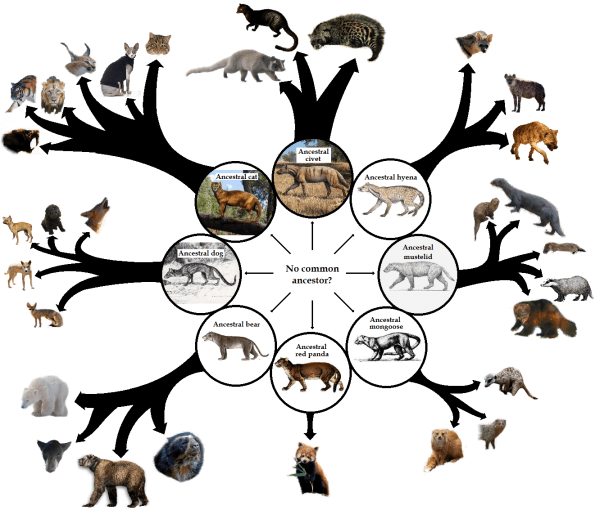
Of Kinds and Common Ancestors: Comparing Mitochondrial Genomes of Mammals
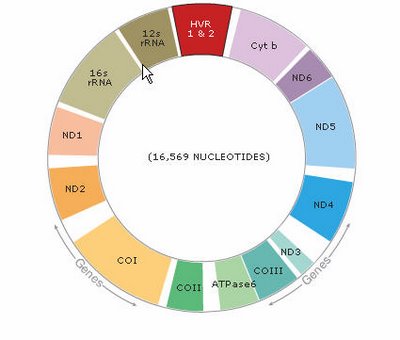
A few days ago I shared some thoughts about the significance of genetic differences that are observed between humans and primates (How Similar is Similar, Part I). I said that it was important that genetic similarity numbers that are frequently used to make a case for genetic uniqueness need to be assessed in the context of... Continue Reading →
How Similar is Similar? Baramins, Species, and the Identification of Common Ancestors
A recent paper published by the Answers Research Journal, the research publication of Answers in Genesis, reported a comparison of human and chimpanzee genomes and found that they have, on average, a DNA similarity of only 70%. This is a very striking number since the usual numbers you hear thrown about as representing the similarity... Continue Reading →
John Ray – definition of a species
What a species is has been debated for centuries but John Ray was the first person to produce a biological definition of what a species is. In his 1686 History of plants he states: "..no surer criterion for determining species has occurred to me than the distinguishing features that perpetuate themselves in propagation from seed.... Continue Reading →