Biblical ‘Kinds’: A 1946 Perspective on Young Earth Creationism

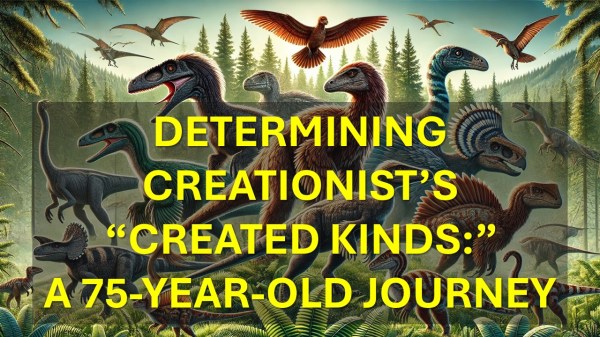
Creationist ideas about "kinds" from 1946 are still shaping modern debates on origins. In "The New Deluge," Harold Clark discusses the concept's complexity, likening it to broader categories diversifying into today's species. He acknowledges change within kinds, challenging misconceptions about creationist beliefs. The struggle to define "kind" continues, impacting today's creationist discussions.

Trillions of Fossils: The Ancient Foundation of Ken Ham’s Ark Encounter

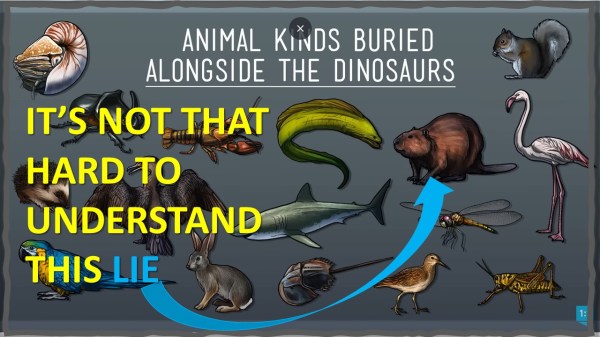
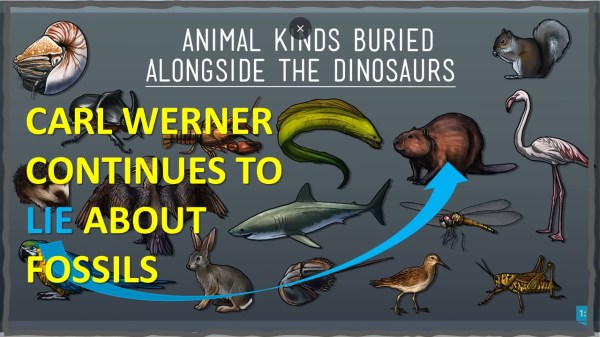
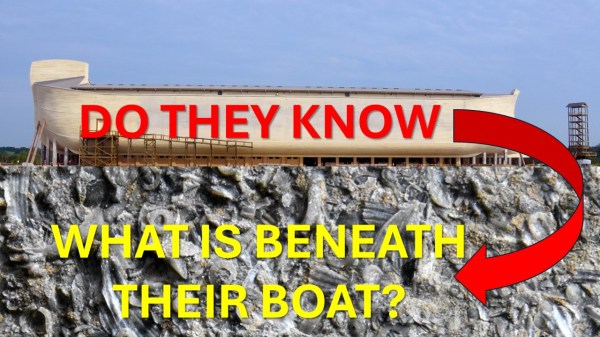
The Ark Encounter in Kentucky sits atop a treasure trove of real fossils, but misses the chance to engage visitors with these incredible resources. Instead of selling imported fossils, they could offer a genuine fossil hunting experience and explore the geological context. Why not use the natural resources available to them? It appears they are more interested in money than real education.

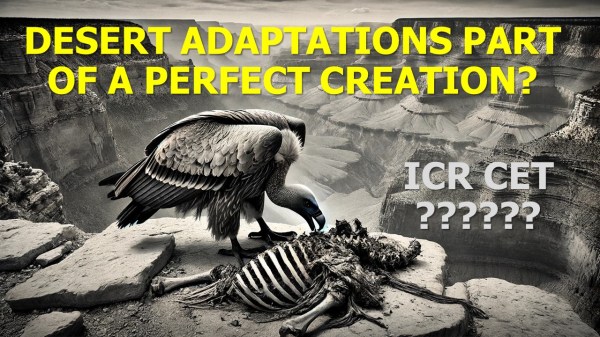
The Marvels of Desert Adaptations: A Critique of ICR’s Continuous Environmental Tracking

How did vultures, roadrunners and horny lizards obtain their uniquely deserted-adapted traits? In my most recent video I review one answer provided by the Institute for Creation Research (ICR) titled โ€œChrist's Creativity in Canyon Critters.โ€ Johnson, who holds a law degree and a theology degree, frequently writes about biology for ICR. https://youtu.be/c-ts_KAJy4U?si=2pMvQDpihSTG3rqv The article begins... Continue Reading →

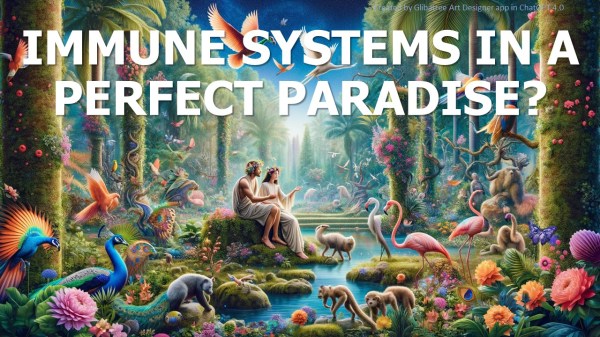
Immune in Eden: Exploring Pre-Fall Physiology

Did Adam and Eve require an immune system in the Garden of Eden? Todd Woodโ€™s insights prompt examination of the pre-Fall world and its theological, scientific implications. He explores whether the immune system was part of the original design or arose after the Fall. The discussion challenges traditional views, emphasizing the profound changes after the Fall.

Answers from Genesis: How AI Could Revolutionize Creationist Outreach

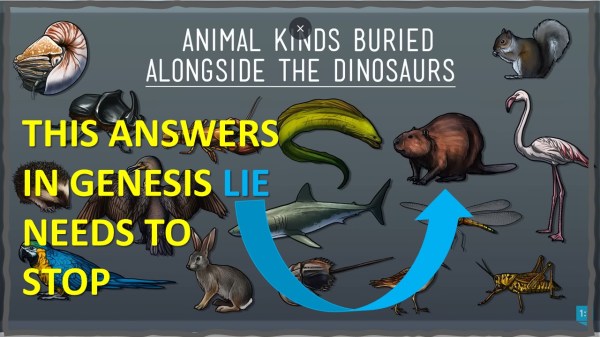
Answers in Genesis, a prominent advocate for a young Earth perspective, faces a new challenge from generative AI tools. These tools often present information conflicting with their beliefs. This has prompted my speculation that they may develop their own AI tools to uphold their viewpoints. The potential of AI extends beyond answering questions, allowing for a closed-loop reinforcement of their teachings. This presents both a challenge and an opportunity for creationist organizations in shaping information and disseminating their message.

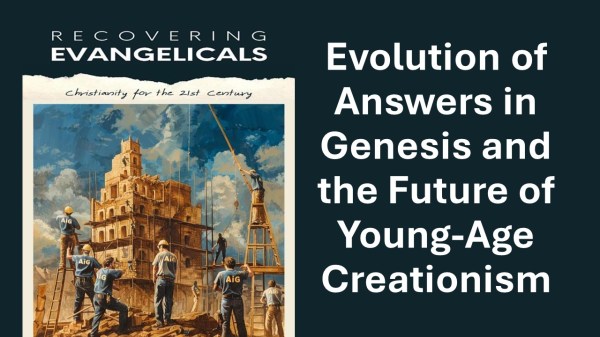
The Evolution of Answers in Genesis and the Future of Young-Age Creationism

I appear on the latest episode of the Recovering Evangelicals podcast where I explore the influence and dynamics of Answers in Genesis (AiG) in North America. Key points include AiG's financial success, lack of scientific experts, engagement with criticisms, the evolution of YECism, current trends, future prospects, leadership changes, and navigating personal interactions with YECs.

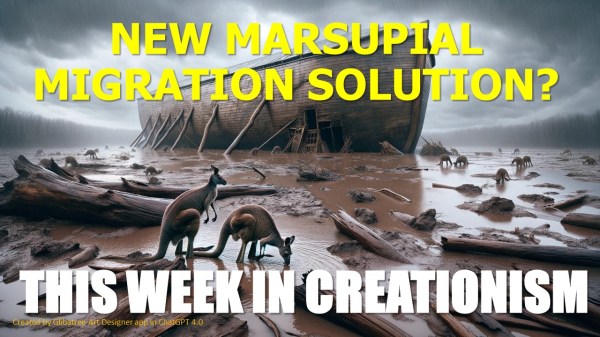
Divine Action: A New Solution to the Marsupial Migration Problem?

Young Earth creationists struggle to explain how marsupials, like kangaroos and koalas, reached Australia from Noah's Ark. A new theory proposes that God directly placed these animals in Australia, challenging traditional naturalistic explanations. This raises questions about the use of supernatural explanations in scientific discourse and their implications for creationism.

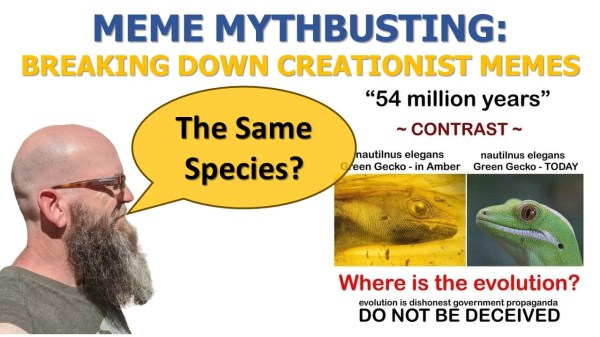
Meme Mythbusting: Critiquing a Creationistโ€™ Memeย 

Today I'm critiquing creationists memes that misrepresent scientific facts, focusing on a specific meme claiming to disprove evolution based on a preserved gecko. Here I highlight the misinformation and lack of scientific literacy in the meme, emphasizing the responsibility of leaders to fact-check and communicate scientifically accurate information.

Ken Ham: Poodles and all Species Including Humans are Degenerate Mutants

Ken Ham, CEO of Answers in Genesis, often uses poodles to illustrate his "speciation kinds" concept, rooted in his biblical creationist worldview. He recently referred to domestic dogs as "degenerate mutants," attributing their diversity to post-creation mutations. Ham ties these discussions to theological implications, emphasizing the loss of original genetic information.

Ken Ham: Genesis Compromisers are Products of Academic Pride and Bow to Academic Pressure

In a recent "Ham Bytes" episode, Ken Ham criticizes Christian leaders who reconcile faith with science, particularly regarding the age of the Earth and evolution. He accuses them of prioritizing human approval over divine truth. However, the issue is more complex, as respected figures demonstrate rigorous faith and intellectual pursuit. The Bible's clarity on creation is debated, and interpreting Genesis as a modern scientific account may impose contemporary expectations. Respectful dialogue and unity among Christians are encouraged in the pursuit of truth.

Flood Geology Failure: Fossilized Caves

The video "Flood Geology Failures: Fossilized Caves" explores the discovery of fossilized caves and critiquing creationist claims about fossilized reptile skin. The speaker questions the creationist perspective on fossil preservation and points to the specific fossil assemblage found in an Oklahoma cave system, challenging flood geology narratives. The video emphasizes the geological and paleontological evidence contradicting young Earth creationism, highlighting the complexities of fossil preservation and cave formation.

Unearthing the Past: Fossil Footprints That Contradict Young-Earth Narratives

Here I expand on my participation in an open-mic session on the "Standing for Truth" YouTube channel, focusing on the preservation of fossil footprints in the geological record. The author engaged in respectful dialogue with creationist guests, challenging the young Earth creationist narrative by presenting evidence of footprints preserved in diverse conditions, contrary to the belief that such occurrences require catastrophic events like a global flood. The discussion highlighted the clash between literal biblical interpretation and scientific evidence of an ancient Earth.

Up ↑