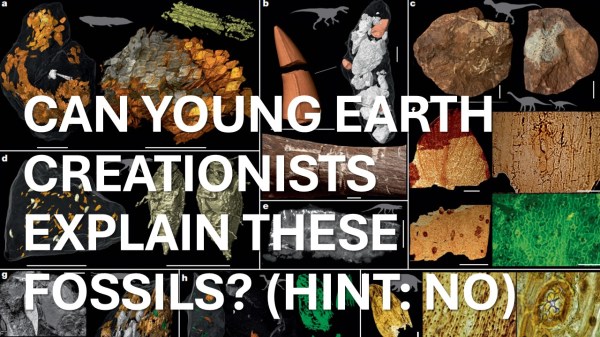
A recent Nature paper reveals insights from fossilized dinosaur droppings, or coprolites, showing dinosaurs evolved from small omnivores to larger specialized eaters. Advanced imaging techniques allow detailed analysis of their diets, challenging young-earth creationist models by showcasing geological progression, preservation, and ecological diversity over millions of years, supporting an old Earth perspective.
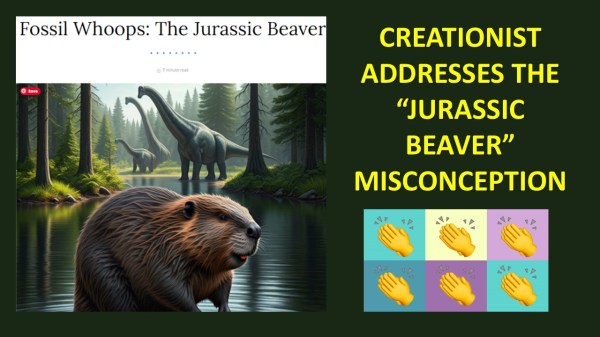
The Jurassic Beaver That Wasn’t: A Young Earth Creationist Gets It Right
In a striking critique of young-earth creationist claims, the discussion surrounding the "Jurassic beaver" fossil reveals a need for intellectual honesty. The article underscores the flawed interpretations within YEC circles, advocating for rigorous examination of evidence and a recognition of the fossil record's complexity. Self-scrutiny in any belief system is essential.
The Hemoglobin Challenge: Debunking Bryan Osborn’s Dinosaur Blood Cell Claims
Meet Bryan Osborn, the latest contestant in the Hemoglobin Challenge. His recent claims about dinosaur soft tissue have ignited a clash with scientific evidence. I'm calling out the misrepresentations and urging a more accurate language. The reality of degraded biomolecules in dinosaur fossils paints a story of much greater age, challenging the young earth narrative.
Challenges to Conventional Scientific Views on DNA and Soft-Tissue Preservation in Fossils
A response to a viewer's challenges to the conventional scientific view on preservation of soft tissues in dinosaur fossils. The writer discusses various scientific studies and explanations to address the challenges, emphasizing that the presence of preserved soft tissues does not negate the evidence supporting an ancient Earth.
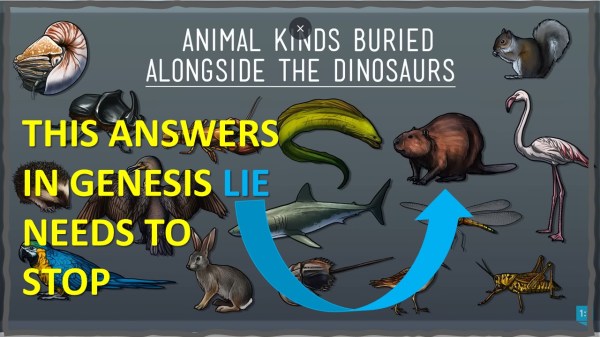
Answers in Genesis’ Misleading Claims (Lies) About Mammals and Dinosaurs
I recently posted a YouTube video that expresses my frustration with the lack of fact-checking and what I believe is willful disregard or care for the truth. In this video, I take a look at a particular piece of misinformation being spread by Answers in Genesis (AiG), particularly regarding claims about evidence of modern mammals... Continue Reading →
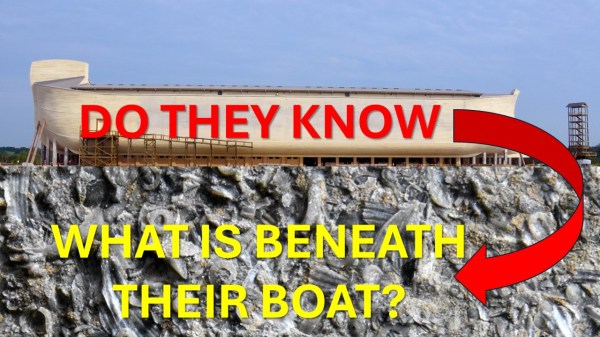
Trillions of Fossils: The Ancient Foundation of Ken Ham’s Ark Encounter
The Ark Encounter in Kentucky sits atop a treasure trove of real fossils, but misses the chance to engage visitors with these incredible resources. Instead of selling imported fossils, they could offer a genuine fossil hunting experience and explore the geological context. Why not use the natural resources available to them? It appears they are more interested in money than real education.
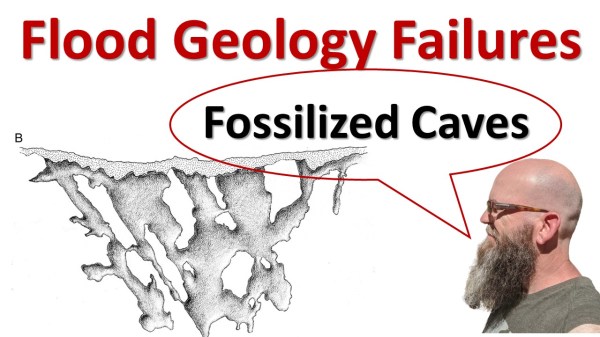
Flood Geology Failure: Fossilized Caves
The video "Flood Geology Failures: Fossilized Caves" explores the discovery of fossilized caves and critiquing creationist claims about fossilized reptile skin. The speaker questions the creationist perspective on fossil preservation and points to the specific fossil assemblage found in an Oklahoma cave system, challenging flood geology narratives. The video emphasizes the geological and paleontological evidence contradicting young Earth creationism, highlighting the complexities of fossil preservation and cave formation.
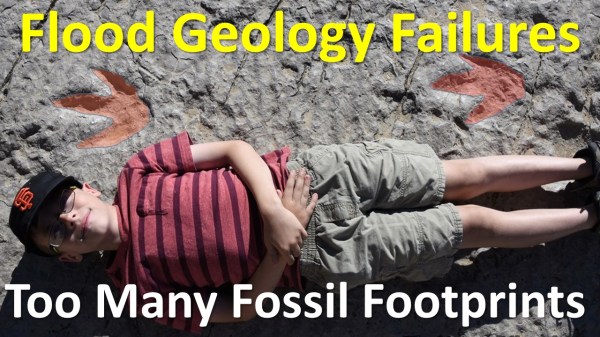
Unearthing the Past: Fossil Footprints That Contradict Young-Earth Narratives
Here I expand on my participation in an open-mic session on the "Standing for Truth" YouTube channel, focusing on the preservation of fossil footprints in the geological record. The author engaged in respectful dialogue with creationist guests, challenging the young Earth creationist narrative by presenting evidence of footprints preserved in diverse conditions, contrary to the belief that such occurrences require catastrophic events like a global flood. The discussion highlighted the clash between literal biblical interpretation and scientific evidence of an ancient Earth.
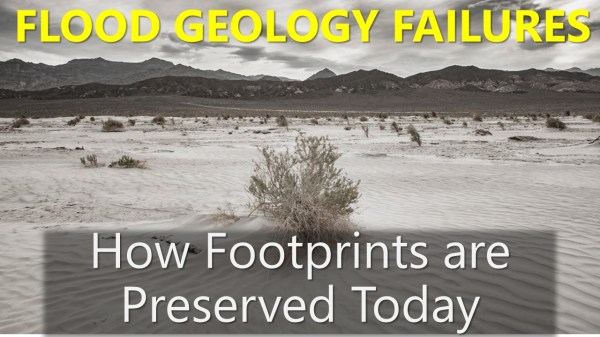
A Fossil Paradox? Footprints are Rarely Preserved in Stone and yet are very Common
Billions of footprints are preserved in the rock record. While bones get all the attention, fossil footprints, a type of ichnofossils outnumber bones. How can we make sense of this observation? Surely, preserving a bone must be far more likely than preserving a footprint? I have written about how paleontologists use information from footprints and bones... Continue Reading →
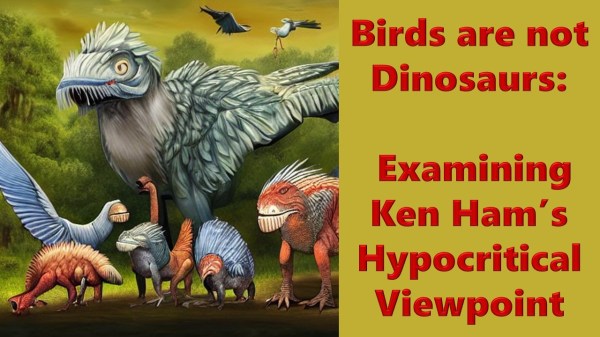
Birds are not Dinosaurs? Examining Ken Ham’s Hypocritical Viewpoint
Ken Ham, the founder of Answers in Genesis USA, has no doubts about the proper classification of birds and dinosaurs. He believes that identifying birds a type of dinosaur should be rejected and labeled a compromised view, influenced by evolutionary theory. However, it would appear he has no problem considering whales and bats to be... Continue Reading →
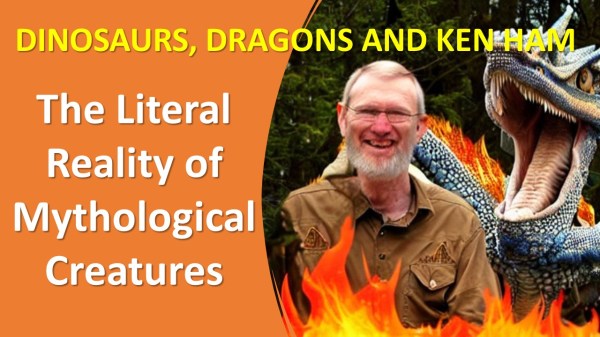
Dinosaurs, Dragons and Ken Ham: The Literal Reality of Mythological Creatures
Have you ever wondered about the origin of mythological creatures like dragons and griffins? Many ancient cultures believed in the reality of such creatures and depicted them in their art and stories. But where did these beliefs, these myths find their origin? Did they come straight from the imagination of social influencers of the day?... Continue Reading →
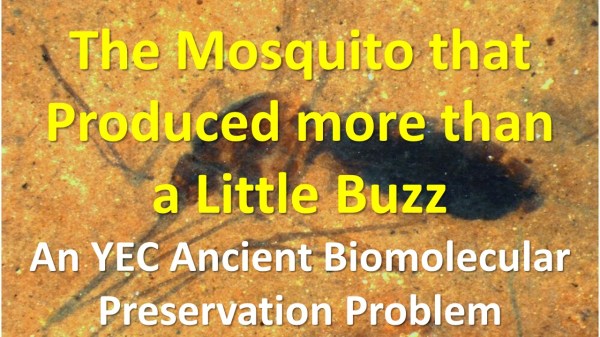
The Mosquito That Produced More Than A Little Buzz
Paleontologists can get excited about fossils even if they are not dinosaurs, mammoths and hominids though this story has a Jurassic Park dino connection which helps. In this case several tiny fossil mosquitos had scientists abuzz in 2013. Fossils of mosquitoes are known from amber (fossilized tree sap) but are extremely rare in sedimentary rock... Continue Reading →
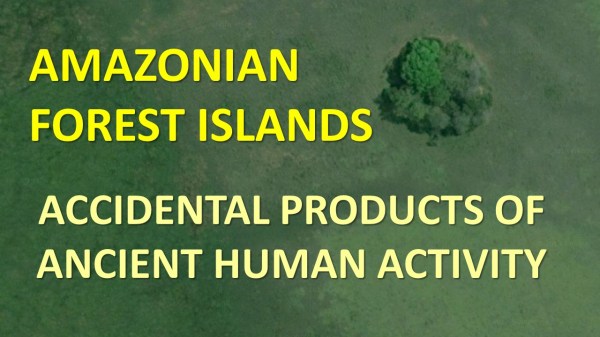
Amazonian Forest Islands: Accidental Products of Ancient Human Occupation
The Amazon basin isn’t all a lush tropical forest. In large portions of western Amazonian wet seasonally flooded grasslands--not trees--are the norm. The upper branches of the Amazon River wind themselves across massive flood plains like snakes writhing across a sandy surface. One feature of these nearly featureless flat plains that has long puzzled... Continue Reading →
Where is Noah’s Flood in the Geological Column?
Young-earth creationists have a geological column problem that 50 years of research has yet to solve: where is the boundary between Flood deposits and post-Flood deposits?
Multituberculates and the YEC Flood/post-Flood Boundary Problem
Yes, multituberculates have something to say about the ongoing division among YECs about where to locate the Flood/post-Flood boundary in the geological column. Is that boundary to be found in the Quaternary, at the Cretaceous/Paleogene boundary or way down in the Pennsylvanian Period? These are the three primary models that YECs have proposed. The problem... Continue Reading →