Perceiving Age: What Mars Can Teach Us About Our Geological Intuition

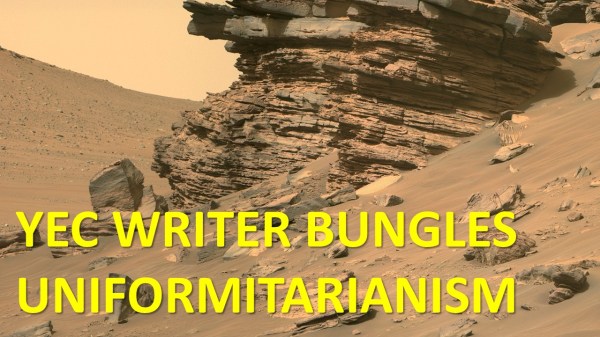
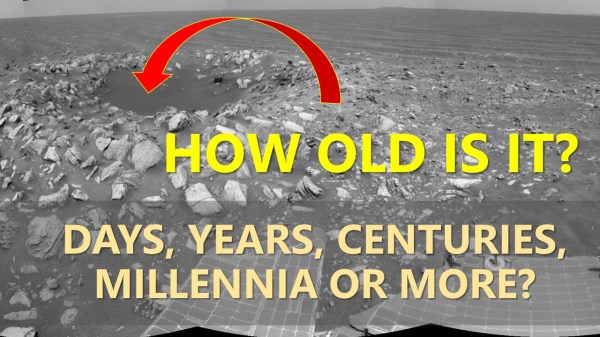
Humans are shockingly bad at grasping geological time, as demonstrated by students misjudging Martian erosion rates. They vastly underestimate how ancient features really are, clinging to Earth-centric views. This disconnect feeds the ignorance of young-Earth claims, highlighting the critical need to demystify geological timelines for a more accurate understanding of our universe.

Did Earth Have a Ring in the Past?

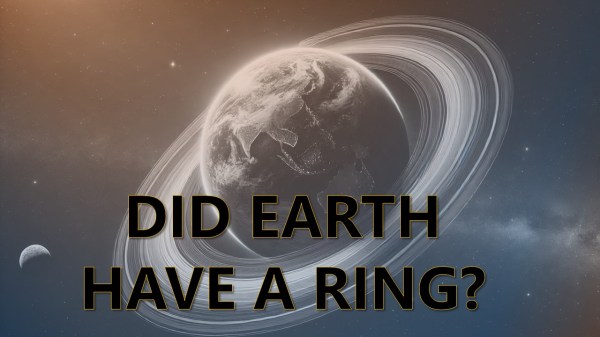
Forget what you think you know about Earthโ€”millions of years ago, it might have sported its own ring! Recent research reveals an astonishing concentration of impact craters positioned along the equator, suggesting a temporary ring of rocky debris from a celestial encounter. Here I present the evidence and consider the challenge this is for the young-earth model of earth's history.

Divine Intervention in Geology: How the “Heat Problem” is Reshaping Creationist Theory

The YouTube channel Guttsick Gibbon presents a compelling case against Young Earth Creationism, focusing on the "Heat Problem" and the inadequacy of proposed solutions. Notably, prominent figures within the movement acknowledge the need for divine intervention to explain geological and radioactive phenomena, challenging the claim of scientific credibility. This marks a pivotal shift in creationist approaches, potentially signaling the decline of scientific creationism.

Ancient DNA: Too Good to Be True?

The search for ancient DNA has captivated scientists and the public alike for decades. The possibility of uncovering genetic information from long-extinct species promises to revolutionize our understanding of evolution and prehistoric life and makes one wonder if Jurassic Park might be possible However, the field of ancient DNA research has been fraught with controversies,... Continue Reading →

Genome Size Extremes: When More Isn’t Necessarily Better

The incredible variation in genome sizes across different species challenges traditional beliefs. Lungfish and ferns have genomes far larger than humans, yet similar complexity. Diatoms' genome size is linked to habitat. Large portions of the enormous genomes consist of repetitive sequences, raising questions about the role of so-called "junk DNA" and evolutionary pressures.

The Persistent Myth of Modern Mammals Living with Dinosaurs

The recent claims of modern mammals coexisting with dinosaurs made by Dr. Carl Werner have sparked controversy. However, a closer look at the fossil evidence reveals a more complex reality. While hundreds of mammal species did live alongside dinosaurs, they were largely different from modern mammals. Accurate interpretation of this evidence is crucial for understanding the true history of life on Earth.

Biblical ‘Kinds’: A 1946 Perspective on Young Earth Creationism

Creationist ideas about "kinds" from 1946 are still shaping modern debates on origins. In "The New Deluge," Harold Clark discusses the concept's complexity, likening it to broader categories diversifying into today's species. He acknowledges change within kinds, challenging misconceptions about creationist beliefs. The struggle to define "kind" continues, impacting today's creationist discussions.

Up ↑