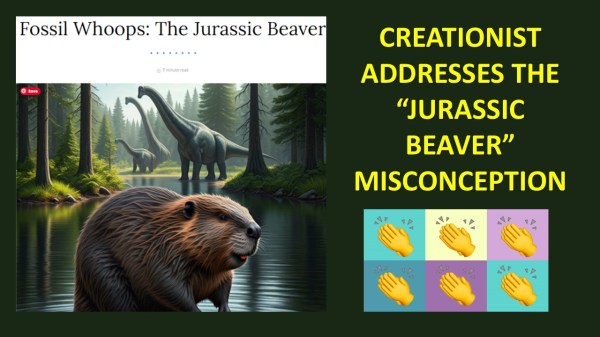
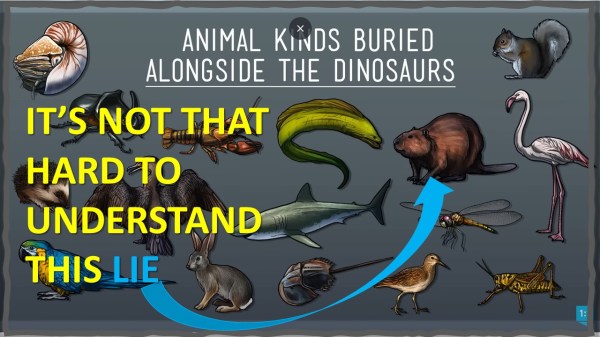
Here I revisit a contentious claim made by creationists about the coexistence of modern mammals and dinosaurs. By dissecting primary scientific literature, I debunk the portrayal of a "Jurassic beaver" and advocate for honest communication in presenting fossil evidence.
Ancient DNA: Too Good to Be True?
The search for ancient DNA has captivated scientists and the public alike for decades. The possibility of uncovering genetic information from long-extinct species promises to revolutionize our understanding of evolution and prehistoric life and makes one wonder if Jurassic Park might be possible However, the field of ancient DNA research has been fraught with controversies,... Continue Reading →
Challenges to Conventional Scientific Views on DNA and Soft-Tissue Preservation in Fossils
A response to a viewer's challenges to the conventional scientific view on preservation of soft tissues in dinosaur fossils. The writer discusses various scientific studies and explanations to address the challenges, emphasizing that the presence of preserved soft tissues does not negate the evidence supporting an ancient Earth.
Genome Size Extremes: When More Isn’t Necessarily Better
The incredible variation in genome sizes across different species challenges traditional beliefs. Lungfish and ferns have genomes far larger than humans, yet similar complexity. Diatoms' genome size is linked to habitat. Large portions of the enormous genomes consist of repetitive sequences, raising questions about the role of so-called "junk DNA" and evolutionary pressures.
The Persistent Myth of Modern Mammals Living with Dinosaurs
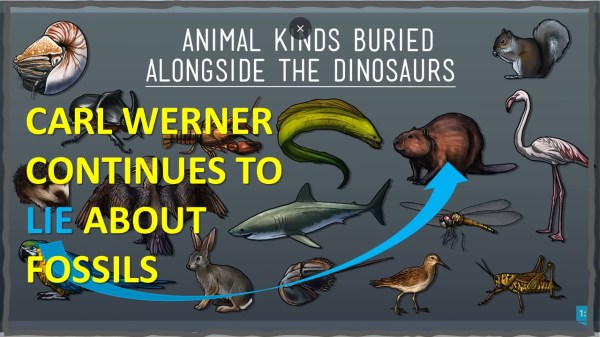
The recent claims of modern mammals coexisting with dinosaurs made by Dr. Carl Werner have sparked controversy. However, a closer look at the fossil evidence reveals a more complex reality. While hundreds of mammal species did live alongside dinosaurs, they were largely different from modern mammals. Accurate interpretation of this evidence is crucial for understanding the true history of life on Earth.
Biblical ‘Kinds’: A 1946 Perspective on Young Earth Creationism
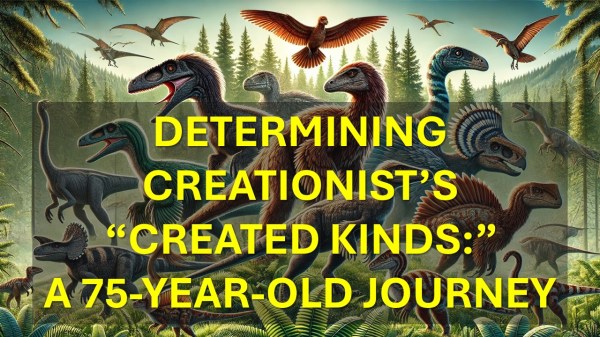
Creationist ideas about "kinds" from 1946 are still shaping modern debates on origins. In "The New Deluge," Harold Clark discusses the concept's complexity, likening it to broader categories diversifying into today's species. He acknowledges change within kinds, challenging misconceptions about creationist beliefs. The struggle to define "kind" continues, impacting today's creationist discussions.
Conspiracy Theories Gaining Traction Among Young-Age Creationist’ Audience
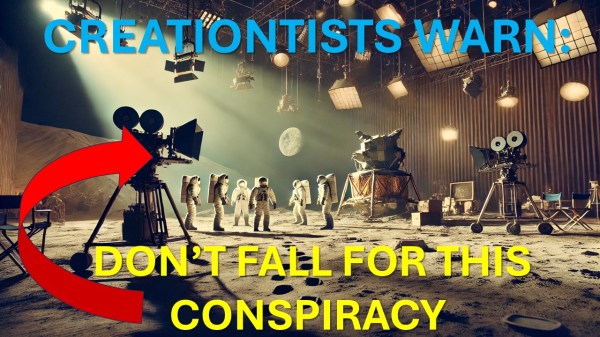
Prominent young-earth creationist organizations like Answers in Genesis and Creation Ministries International are addressing the danger of conspiracy theories, particularly the moon landing hoax. They debunk claims and emphasize critical thinking. However, their struggle with skepticism towards mainstream science suggests challenges within the creationist worldview.
This Week in Creationism Ep 76: Shakeups, Conferences, and Misconceptions
In episode 67 of โThis Week in Creationismโ, Iโm diving into some big news in the young-Earth creationist world, along with a few intriguing science stories that highlight some common creationist arguments and misconceptions. You can watch the full video below or read the highlights in this blog post. https://youtu.be/zeoWwkt5cJk?si=PXe8wp6-b5c9hGBY First up, there's been a... Continue Reading →
The London Hammer: It’s Real and It’s Fake
In a world of sensationalism and misinformation, the infamous London Hammer stirs controversy as a supposed ancient relic. Uncover the truth behind this enigmatic object and the human fascination with the extraordinary. Watch the full video to delve into its geological origins and the importance of critical thinking in the face of sensational claims.
Trillions of Fossils: The Ancient Foundation of Ken Ham’s Ark Encounter
The Ark Encounter in Kentucky sits atop a treasure trove of real fossils, but misses the chance to engage visitors with these incredible resources. Instead of selling imported fossils, they could offer a genuine fossil hunting experience and explore the geological context. Why not use the natural resources available to them? It appears they are more interested in money than real education.
Are Scientists โScaredโ of Dinosaur DNA?
In response to claims made by a young-age creationist, I focus on the preservation of soft tissues in dinosaur fossils, considered evidence for a young earth. I summarize my video about the misconceptions, DNA preservation, and the scientific approach.
This Week in Creationism, Episode 66:ย Climate Change Denial and the โTruthโ about Dinosaurs
In the latest episode of "This Week in Creationism," I focus on Answers in Genesis (AiG) and their views on climate change, the upcoming dinosaur conference, and their stance on human degeneration. AiG's bold promotion of their book and their social media campaigns are critiqued, highlighting their reliance on a narrow interpretation of scientific evidence through a biblical lens.
The Marvels of Desert Adaptations: A Critique of ICR’s Continuous Environmental Tracking
How did vultures, roadrunners and horny lizards obtain their uniquely deserted-adapted traits? In my most recent video I review one answer provided by the Institute for Creation Research (ICR) titled โChrist's Creativity in Canyon Critters.โ Johnson, who holds a law degree and a theology degree, frequently writes about biology for ICR. https://youtu.be/c-ts_KAJy4U?si=2pMvQDpihSTG3rqv The article begins... Continue Reading →
Immune in Eden: Exploring Pre-Fall Physiology
Did Adam and Eve require an immune system in the Garden of Eden? Todd Woodโs insights prompt examination of the pre-Fall world and its theological, scientific implications. He explores whether the immune system was part of the original design or arose after the Fall. The discussion challenges traditional views, emphasizing the profound changes after the Fall.
The Ancient Connection: How Earth and Mars Reveal Our Planet’s History
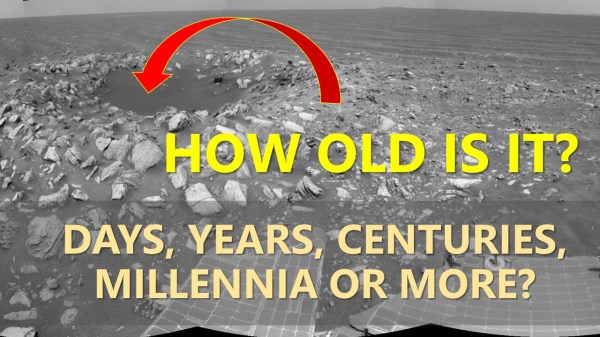
The latest episode of "Critiquing Creationism" examines Earth's ancient history and a study revealing a surprising connection between Earth and Mars. The study's findings, backed by evidence from astronomy, sedimentary records, and radiometric dating, challenge the young Earth creationist framework and provide compelling support for an ancient Earth.