Deep Time Did Not Come โ€œPrimarily Out of Atheism as Ken Ham Claims

Ken Ham's claim that the idea of deep time emerges largely from atheism is not just inaccurate; it's a dangerous simplification. The pioneers of geology were predominantly Christians whose empirical findings on the earth's age contradicted Ham's narrative. Their faith inspired, rather than compromised, their geological discoveries, revealing a profound connection between science and scripture.

Hand-Waving at the Fall: YEC Explanations of the Origins of Defense Structures

Harry F. Sanders III's article at Answers in Genesis attempts to reconcile young-earth creationism with the existence of defense and attack structures (DAS) in nature, proposing four problematic explanations for their origin. I find these explanations scientifically inadequate, lacking empirical support and testable hypotheses while highlighting significant challenges they present within a short young-earth time frame.

How Dr. Jeansonโ€™s Rhetoric Substitutes Mockery for Methodology

Dr. Nathaniel Jeanson's response to criticisms regarding his mitochondrial DNA research reveals a rhetorical strategy that conflates scientific objections with religious dogmatism. His dismissal of established genetic principles undermines honest intellectual engagement and perpetuates a troubling narrative among his audience, who deserve a nuanced understanding of the science involved.

State of Creationism 2025: Why โ€œNew Creationismโ€ Matters

The discussion examines a new essay by Dr. Hans Madueme on young-earth creationism, emphasizing internal challenges and opportunities for improvement within the movement. Madueme critiques the combative culture, promotes scholarly dialogue, and urges greater theological engagement. The video argues for a more collaborative and thoughtful approach to creationism, envisioning a hopeful future.

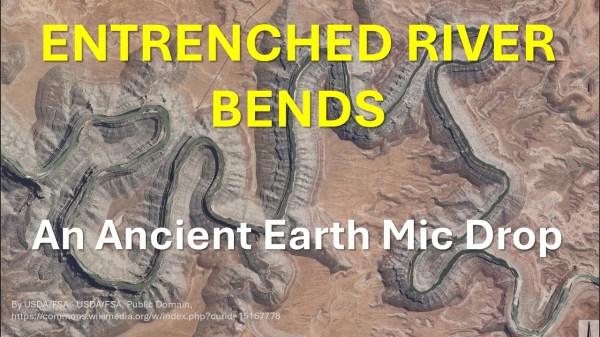
Goosenecks of the San Juan: Entrenched River Canyons Defy Flood Geology

The Goosenecks of the San Juan River in Utah serve as compelling evidence of Earth's ancient age, showcasing entrenched meanders that contradict young Earth creationist theories. Their formation, requiring time and gradual uplift, challenges rapid erosion claims. These geological features provide accessible insights into Earth's processes and history through observable evidence alone.

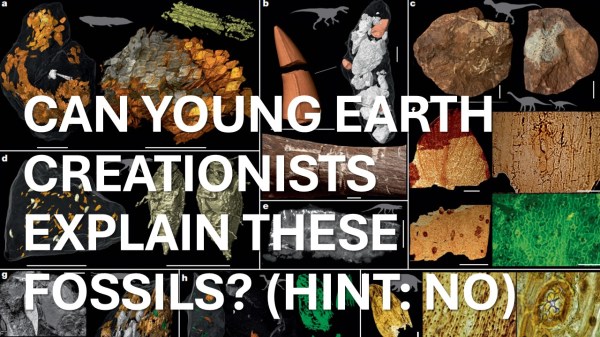
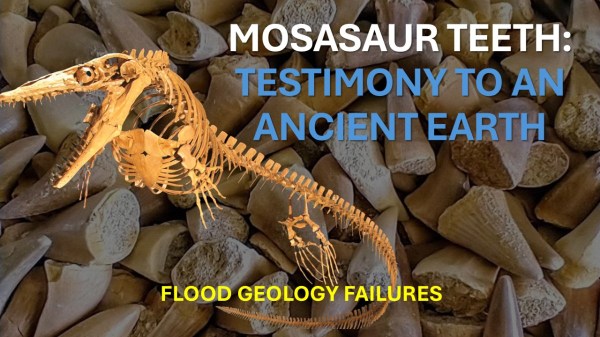
Flood Geology Canโ€™t Explain Dino Droppingsย 

A recent Nature paper reveals insights from fossilized dinosaur droppings, or coprolites, showing dinosaurs evolved from small omnivores to larger specialized eaters. Advanced imaging techniques allow detailed analysis of their diets, challenging young-earth creationist models by showcasing geological progression, preservation, and ecological diversity over millions of years, supporting an old Earth perspective.

Critiquing Ken Ham and Gรผnter Bechly’s Articles on Bird Origins

Ken Ham's insistence that feathered dinosaurs are merely birds continues to be an obsession of his. His claims rely on selective evidence and misunderstanding of scientific theories. The robust connections between dinosaurs and birds, supported by extensive fossil records like Eosinopteryx, continue to undermine his arguments, revealing a clear ideological bias rather than intellectual rigor.

Dead Sea Chronicles: Where Geology Meets Genesis

The Dead Sea is more than just a salty pit; it's a geological and historical goldmine challenging conventional beliefs. Upcoming is a provocative 12-part series that merges science with scripture, daring you to rethink the Earth's age and the intertwined narratives of faith and geology.

Historical and Scientific Inaccuracies in Calvin Smith’s (AiG) Critique of Charles Lyell

Calvin Smith's article explores the historical impact of Charles Lyell's uniformitarianism on societal beliefs, asserting that it contributed to cultural instability by undermining biblical narratives. While seeking to challenge Lyell's motivations, Smith overlooks the complexities of his contributions and the integration of both gradual and catastrophic processes in modern geology, leading to several logical fallacies in his argument.

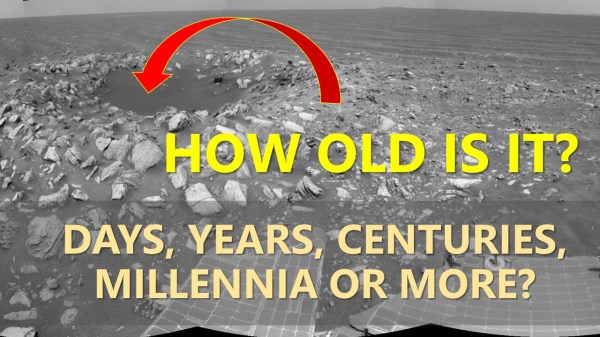
Perceiving Age: What Mars Can Teach Us About Our Geological Intuition

Humans are shockingly bad at grasping geological time, as demonstrated by students misjudging Martian erosion rates. They vastly underestimate how ancient features really are, clinging to Earth-centric views. This disconnect feeds the ignorance of young-Earth claims, highlighting the critical need to demystify geological timelines for a more accurate understanding of our universe.

Up ↑