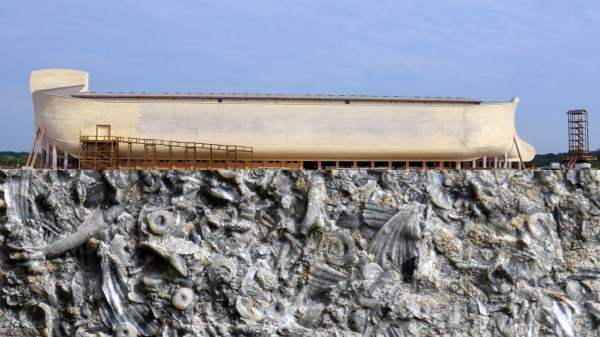
Every day dozens of articles are published that contain evidence that runs contrary to the young-earth creationist’ (YEC) view of earth’s history. The young-earth view proposes that much or most of the thousands of feet of fossil bearing rocks—and the fossils themselves—that make up the world’s land masses were deposited during a single catastrophic world-wide... Continue Reading →
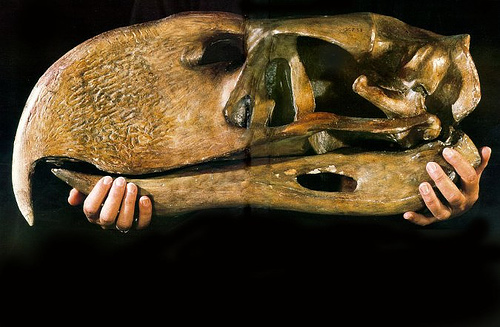
When Flightless Birds Ruled the Land: The “Terror” Birds of the New World
Dinosaurs and large mammals, like mammoths, get all the attention, but the fossil record is full of amazing animals from ages past that haven’t yet been brought to the public eye through a Pixar movie. Such is the case of the so-called “terror birds” of South America. The terror birds are a group of birds... Continue Reading →
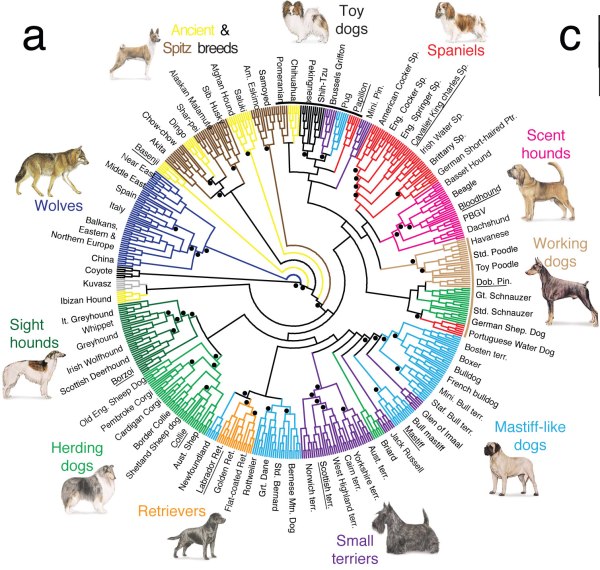
Canine Transmissible Tumors: Seeking Immortality By Becoming a Parasite
Cancers are composed of cells that have forgotten who they are supposed to be. They become independent brats in the body, hogging resources and dividing uncontrollably. From the cancers perspective the problem is that being a spoiled brat may bring short-term rewards, like lots of offspring and freedom from having to do the job they... Continue Reading →
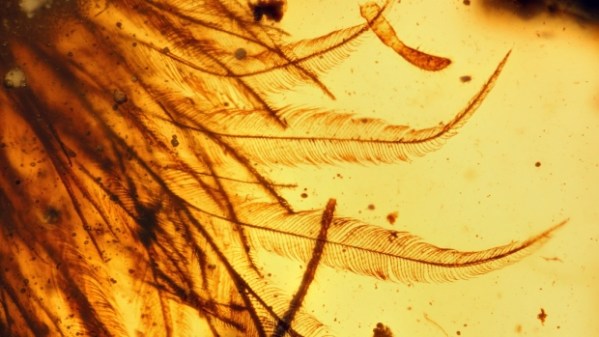
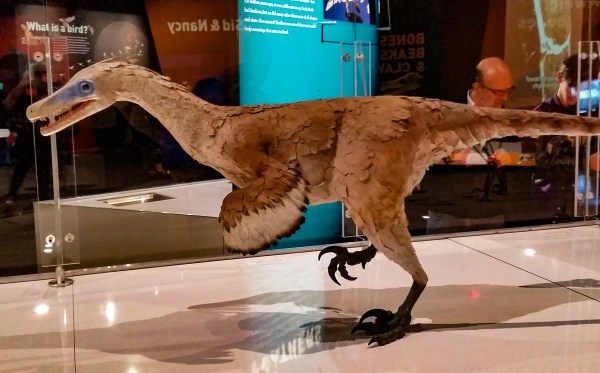
How Have Young-Earth Creationists Responded to Feathered Dinosaurs?
In 2016 fossilized remains of feathers attached to a bony tail preserved in a 99 million year old amber fossil captured international attention. This wasn't the first time that feathers have been found in amber but earlier feather discoveries were of feathers by themselves. This time unmistakable feathers were found attached to a structure which... Continue Reading →
Ken Ham on Dinosaur Extinction, De-extinction, DNA, and Dino-Bird Distinctions
Can scientists bring back an extinct dinosaur? Way back in 1990, a novel by Michael Crichton and subsequent movie by the same name, Jurassic Park, in 1993 used futuristic genomic biology to suggest how we might de-extinct the dinosaurs. Could we really retrieve dinosaur DNA from preserved dinosaur blood sucked up by an ancient mosquito and... Continue Reading →
Wyoming Fossils: Coming to Grips with the Absurdity of the Flood Geology Model of Fossil Origins
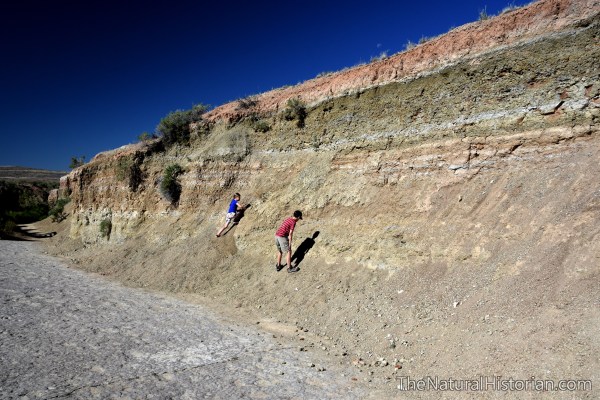
The sedimentary rocks of the Earth hold vast quantities of fossils. Hundreds of years of careful observations have shown that fossils are far from random in their distribution but rather they appear in the geological column in a distinct pattern or order referred to as fossil succession. How can we explain the observed distribution of fossils in the... Continue Reading →
European Peat Bogs as Natural Recorders of Human History
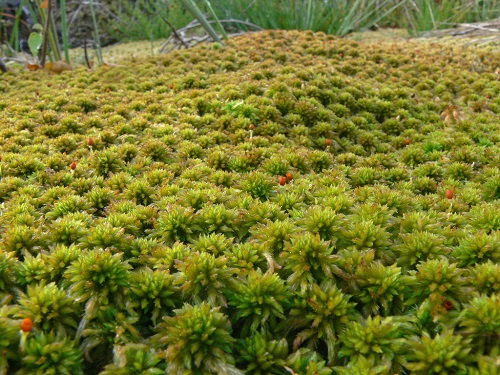
Peat bogs are a repository of the passage of time. They record changes in the earth's atmosphere and unique events such as ash falls from volcanic eruptions. Through careful analysis of bogs we can reconstruct the past just like we can reconstruct a crime from a crime scene. Peat bogs in Europe give us a unique window into the effects of human industry and landscape shift due to deforestation and agriculture and even longer term shifts in climate patterns.
Origins and Extinctions: A Lesson from the Penguins of the Northern Hemisphere
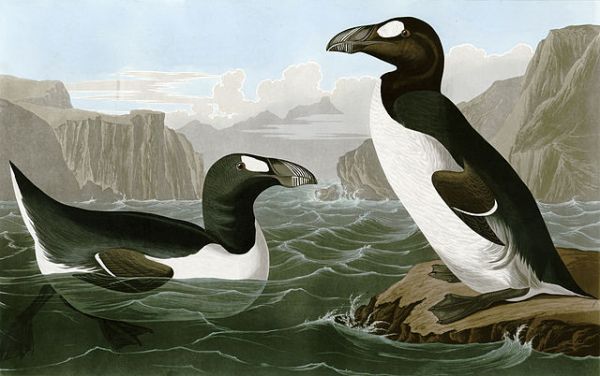
Question: What kind of bird is flightless, waddles standing upright on the ground, is an excellent swimmer, breeds in colonies on rocky shores, lives on a diet of fish and has a white belly and black back, and most importantly is not a penguin? The answer: The extinct great auk. You can think of the... Continue Reading →
The Amazing Killdeer: Designed for Deception, a Good Creation, or Both?
Birds, like all organisms, employ many strategies to ensure that their offspring will survive, thereby allowing the continued existence of the species. Some birds produce elaborate nests high in trees, on rocky ledges or even inside caves to protect them from ground-dwelling predators. Others, like penguins and many shorebirds, nest together, overwhelming predators by sheer... Continue Reading →
The World’s Largest Rock Tumbler is an Unusual Testimony to an Ancient Earth
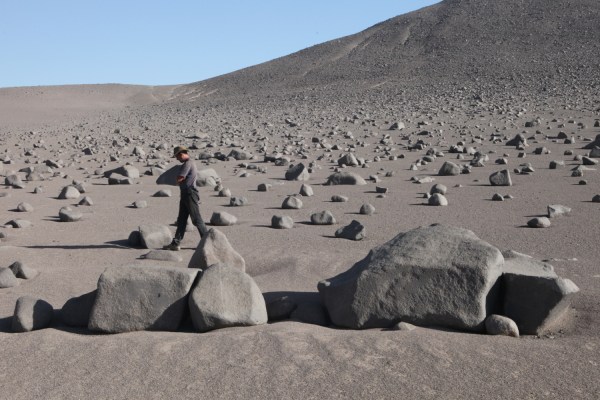
Evidence that some features of earth's landscape are the product of processes acting over longer periods of time can be found everywhere we look. Some of this evidence, such as that from the Grand Canyon, may be familiar to us but other evidence is far less familiar but tells the same story. For example, high... Continue Reading →
Consider the Ostrich: Literal-Day Creationists Unsure about the Ostrich’s Created Condition
Ostriches are curious creatures. They are very large birds that, although they have large wings, are incapable of flight. They make themselves at home in some of the most inhospitable places. They lay their eggs in simple dirt nests and behave in ways that have perplexed our ancestors since they first laid eyes on them. ... Continue Reading →
The Prelapsarian Ostrich: Paradise Lost or Portrait of a Good Creation?
What was the ecological state at the beginning of creation? Were perfectly suited plants and animals created for a perfect world, did these plants and animals adapt to a fallen world, or were they all created in a way that anticipated a fallen world? Put another way, did animals physically adapt to a postlapsarian (after... Continue Reading →
Pulling Teeth and Plucking Feathers – Ancient Birds and Young-Earth Creationists
A few weeks ago I criticized Ken Ham and several of his Answers in Genesis' colleagues for stating that some living birds have teeth like those of fossil birds. I pointed out that none of the 10,000 living bird species produce true teeth. However, there were some birds that lived alongside dinosaurs during the Cretaceous... Continue Reading →
Consider the Ostrich—Comparing Theistic Models of Biological Origins
Some passages of scripture contain detailed natural history information about animals. The book of Job, in particular, records many physical and behavioral traits of animals. One such animal described in Job is the ostrich. The ostrich we know today is a strange bird. It is very large, its wings are not able to provide flight... Continue Reading →
Consider the Ostrich: Job 39 and God’s Commentary on His Creation
The book of Job contains the most descriptive language about the natural world in all of Scripture. In Job 39 alone, we find God (1) describing the natural history of animals including the mountain goat, deer, donkey, ostrich, horse, hawk and eagle in order to illustrate His omniscience and wisdom in creation. Although the authorship... Continue Reading →