Dead Sea Chronicles Part XII – Salt, Seismites, and Scripture: Reconciling the Dead Sea’s Deep History

The exploration of the Dead Sea region highlights its geological significance while addressing the tension between scientific evidence for an ancient Earth and traditional interpretations of Scripture. Recognizing the deep history of the Earth need not undermine biblical authority; rather, it invites a nuanced understanding of faith, creation, and how theology can coexist with scientific inquiry.

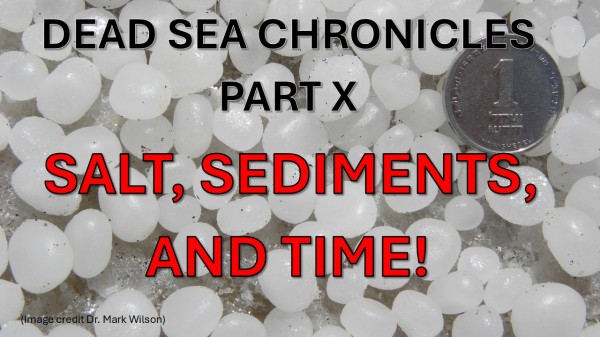
Dead Sea Chronicles Part X – Calculating Time: The Dead Sea’s Salt Deposits and the Limits of a Young Earth

In our exploration of the Dead Sea basinโ€™s geological history, we've uncovered evidence of multiple desiccation events and significant fluctuations in lake levels over hundreds of thousands of years. These findings, derived from sediment cores and various dating methods, paint a complex picture of the region's climatic and hydrological past. As we saw previously, this... Continue Reading →

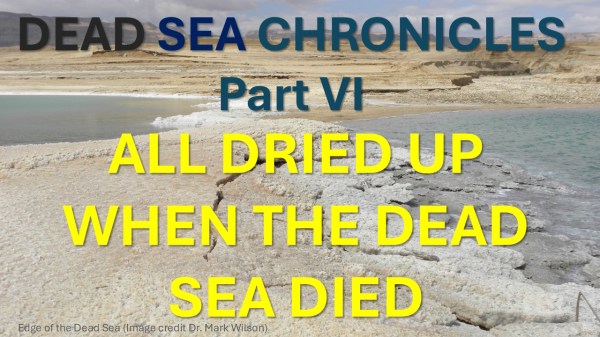
Dead Sea Chronicles Part VI: All Dried Up – When the Dead Sea Died

The Dead Sea's dramatic history reveals a shocking narrative of desiccation far deeper than previously imagined. This ancient lake, now evaporating, has endured cycles of extreme drought, challenging young Earth creationist theories. Evidence from sediment cores exposes not just one, but multiple significant drying events that defy a simplistic timeline of Earth's history.

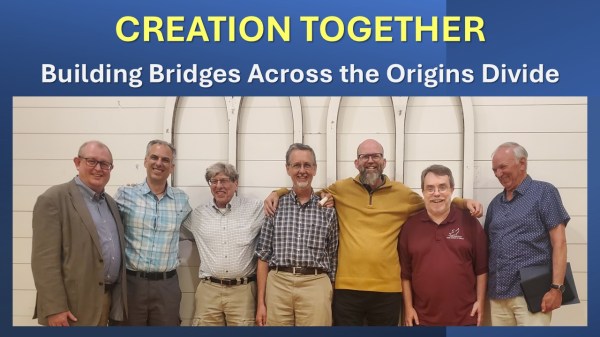
Creation Together: Building Bridges Across the Origins Divide

In a gathering this past summer Christians from young-earth and old-earth camps, engaged in genuine dialogue instead of dogma. This transformative event proved that radical disagreements on origins need not hinder authentic Christian fellowship. It's high time we prioritize unity in Christ over polarized disputesโ€”can we truly afford to do otherwise?

Ancient DNA: Too Good to Be True?

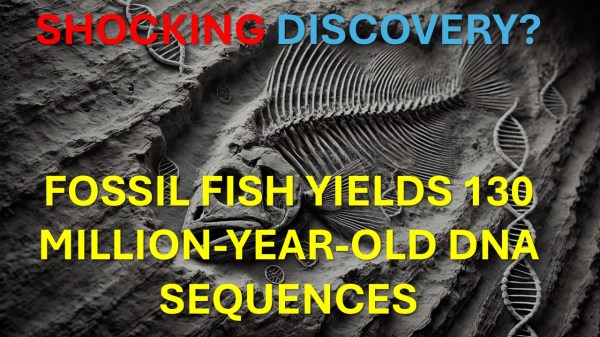
The search for ancient DNA has captivated scientists and the public alike for decades. The possibility of uncovering genetic information from long-extinct species promises to revolutionize our understanding of evolution and prehistoric life and makes one wonder if Jurassic Park might be possible However, the field of ancient DNA research has been fraught with controversies,... Continue Reading →

This Week in Creationism Ep 76: Shakeups, Conferences, and Misconceptions

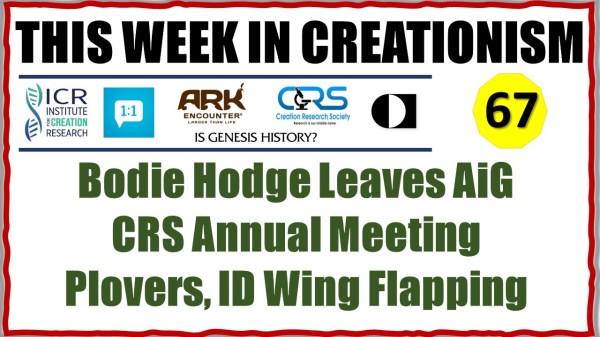
In episode 67 of โ€œThis Week in Creationismโ€, Iโ€™m diving into some big news in the young-Earth creationist world, along with a few intriguing science stories that highlight some common creationist arguments and misconceptions. You can watch the full video below or read the highlights in this blog post. https://youtu.be/zeoWwkt5cJk?si=PXe8wp6-b5c9hGBY First up, there's been a... Continue Reading →

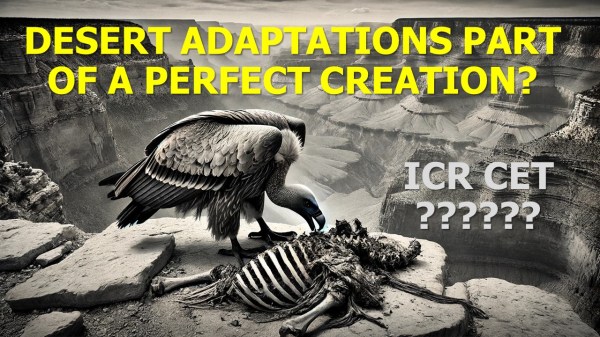
The Marvels of Desert Adaptations: A Critique of ICR’s Continuous Environmental Tracking

How did vultures, roadrunners and horny lizards obtain their uniquely deserted-adapted traits? In my most recent video I review one answer provided by the Institute for Creation Research (ICR) titled โ€œChrist's Creativity in Canyon Critters.โ€ Johnson, who holds a law degree and a theology degree, frequently writes about biology for ICR. https://youtu.be/c-ts_KAJy4U?si=2pMvQDpihSTG3rqv The article begins... Continue Reading →

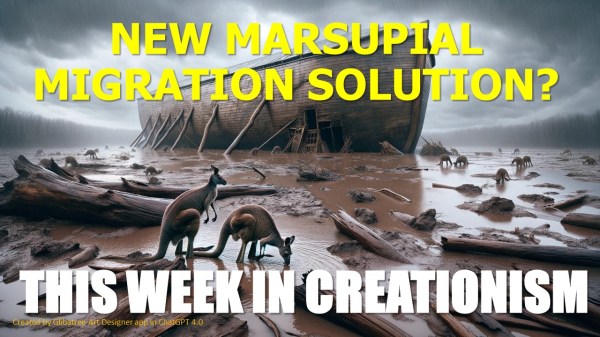
Divine Action: A New Solution to the Marsupial Migration Problem?

Young Earth creationists struggle to explain how marsupials, like kangaroos and koalas, reached Australia from Noah's Ark. A new theory proposes that God directly placed these animals in Australia, challenging traditional naturalistic explanations. This raises questions about the use of supernatural explanations in scientific discourse and their implications for creationism.

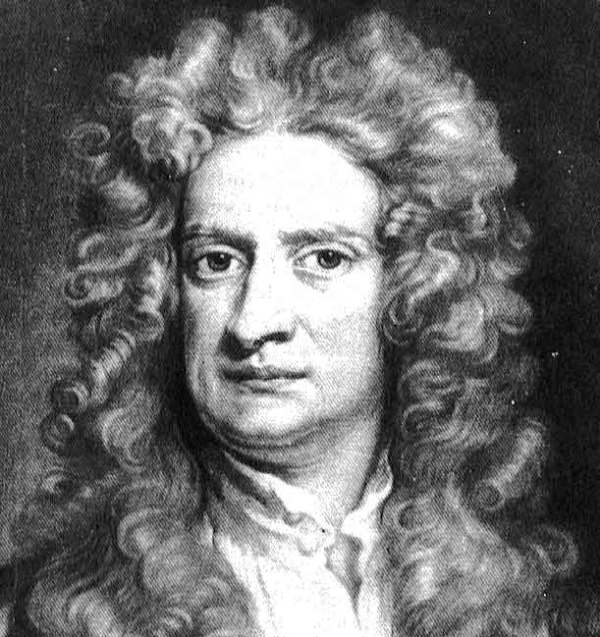
Isaac Newton on the Mosaic Account of Creation

Creation chronometry was a much debated topic in the late 1600s and early 1700s among Christians with virtually no opinion expressed being of the same kind that that could be described as a literalist view held today. I often wonder what would have happened had the Westminster Confession of Faith been written after this debate rather than before it given how the landscape of the discussion changed in the 40 years after the Assembly of the Westminster Divines met.

Up ↑