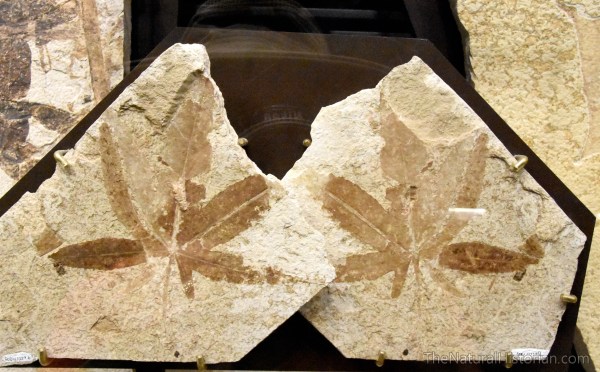
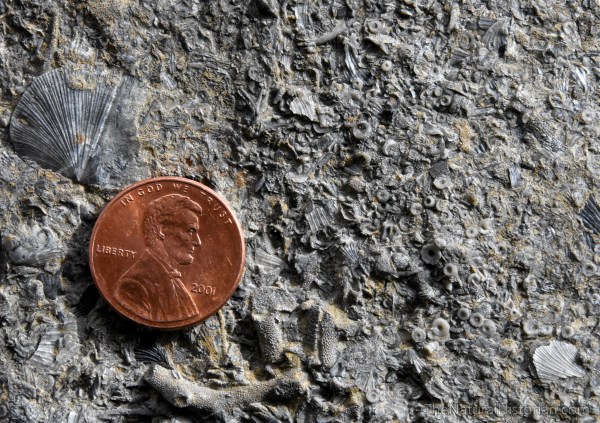
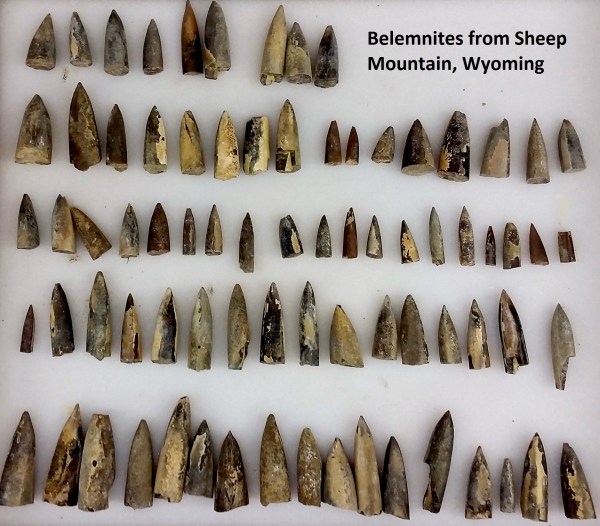
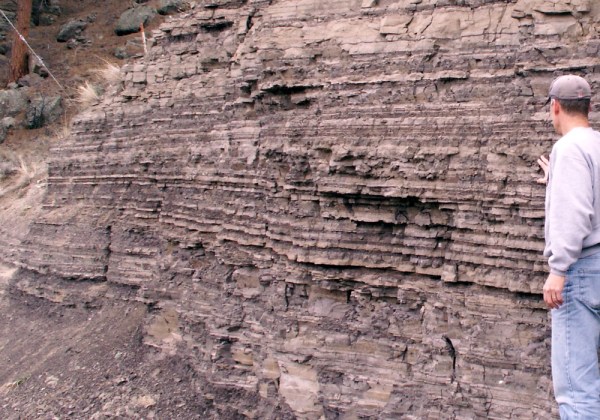
Historical Science: How do We Know a Fish Fossil is a Fish Fossil?

The difference between what young earth creationists like to term "operational" or "observational" science and historical science doesn't have the sharp distinction they like to project to their audience.  I was reminded of this recently when I had an opportunity to hear Tommy Mitchell speak at a local Answers in Genesis conference a few weeks ago.  One particular talk was... Continue Reading →

Quadrillions, Quintillions and Beyond: The Vast Fossil Record Refutes the Flood Geology Hypothesis

Young earth creationists greatly underestimate the fossil record when they tell their audiences that there are "billions of dead things buried in rock layers."  The point, that there are huge numbers of fossils, is correct but billions is such an underwhelming number compared to the reality of the fossil record.  The vastness of the fossil record was driven... Continue Reading →

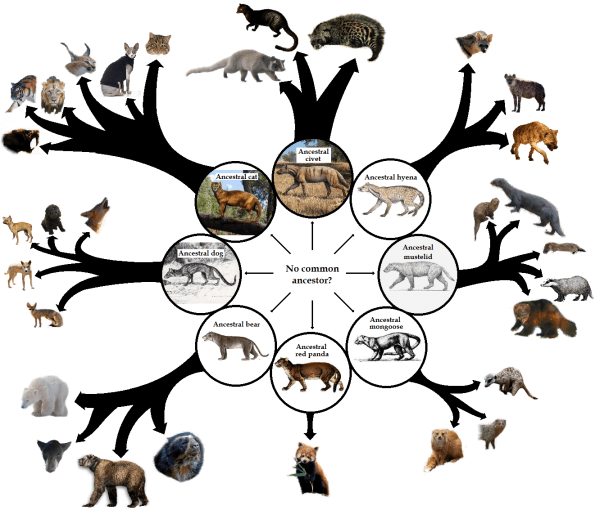
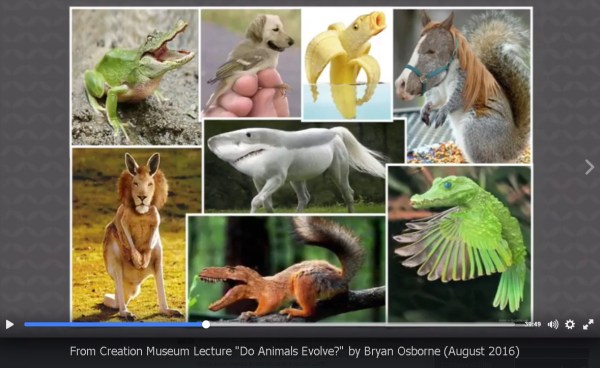
The Origin of the YEC Hyper-Speciation Model of Biological Diversity

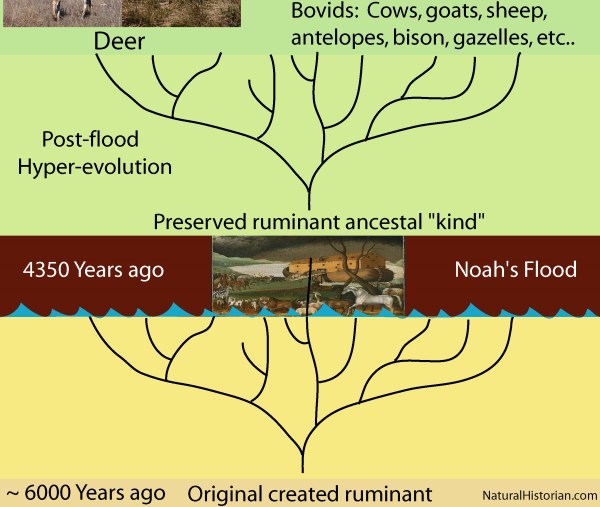
Young earth creationists (YECs) are the most vocal skeptics of evolutionary theory, however, they recognize organisms do change over time.  But how much? Everyone agrees that organisms have the capacity to adapt to their environments. This adaptive ability can lead to the formation of isolated genetic lineages we identify as species.  Evolutionary theory posits that continued... Continue Reading →

A Vivid Demonstration of Bacteria Adapting to Antibiotics via Mutations and Selection

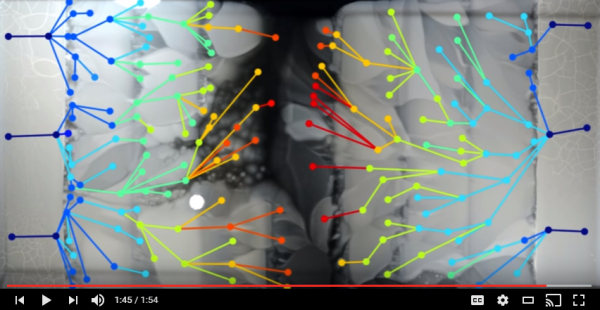
The fact that bacteria are able to develop resistance to antibiotics has been a textbook example of evolutionary processes in action.  Mutations and natural selection—two primary agents of change—work together to sculpt new genetic combinations allowing individuals to exploit resources unavailable to bacteria previously unable to resist antibiotic chemicals in their environment.   Now you can watch a powerful... Continue Reading →

A 60,000 Year Varve Record from Japan Refutes the Young-Earth Interpretation of Earth’s History

Do places on Earth exist where annual records have been stored for tens of thousands of years and can be accessed today? Ice-cores and tree rings can preserve long records of yearly events but some of the best records come from layers of sediment underlying some lakes which,  if formed under the right conditions, can be read like the annual rings of... Continue Reading →

Up ↑