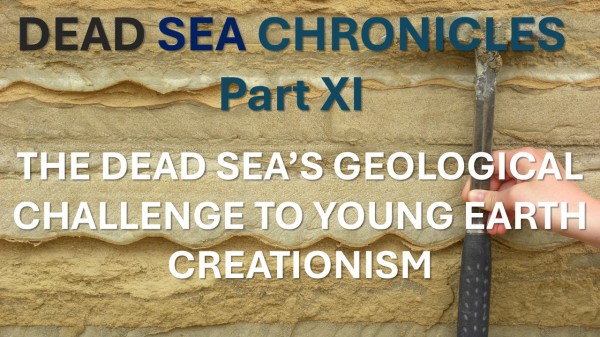
The geological features of the Dead Sea region starkly challenge young-earth creationism. Decades of geological evidence and dating methods reveal timelines stretching millennia, contradicting the belief in a recently formed Earth. This disparity forces uncomfortable questions about faith, time, and the integrity of the young-earth biblical interpretation.
Dead Sea Chronicles Part X – Calculating Time: The Dead Sea’s Salt Deposits and the Limits of a Young Earth
In our exploration of the Dead Sea basin’s geological history, we've uncovered evidence of multiple desiccation events and significant fluctuations in lake levels over hundreds of thousands of years. These findings, derived from sediment cores and various dating methods, paint a complex picture of the region's climatic and hydrological past. As we saw previously, this... Continue Reading →
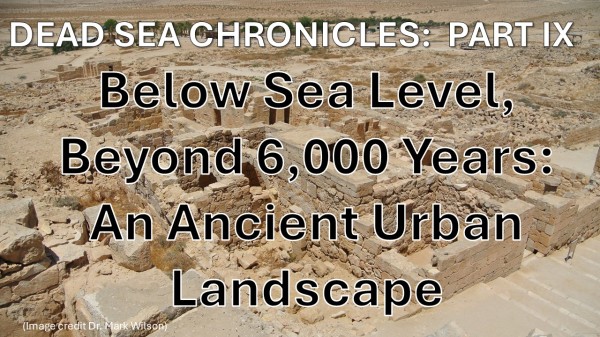
Dead Sea Chronicles Part IX: Below Sea Level, Beyond 6,000 Years -The Jordan Valley’s Ancient Urban Landscape
The exploration of the Dead Sea region reveals significant archaeological evidence challenging young-earth creationist views. Ancient cities, like Jericho and Ein Gedi, show continuous habitation and advanced cultural development far exceeding the 4,350-year timeline. Geological findings, including travertine deposits and climate records, further support a much older Earth.
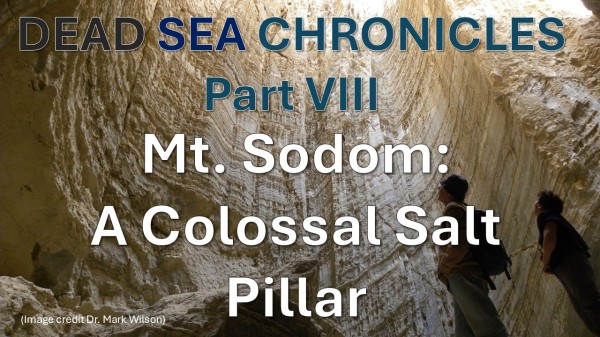
Dead Sea Chronicles Part VIII: Mt. Sodom: A Colossal Salt Pillar Challenging Young Earth Chronology
Mount Sodom is not just another mountain; it's a geological coup. This towering salt behemoth challenges young-earth narratives, revealing a million-year tale that defies simplification. Vast salt deposits and complex cave systems demand long timescales that young-earth beliefs can’t accommodate.
Dead Sea Chronicles Part VII: Sodom, Gomorrah, and the Seismic History of the Dead Sea
The Dead Sea isn't just a salty wonder; it's a geological time capsule containing evidence of past earthquakes. Ancient earthquakes recorded in the biblical account can be confirmed in dead sea sediment cores. But those same cores expose a reality far older than creationist claims.
The Lost Squadron: What World War II Planes Buried in Greenland’s Ice Tell Us About Earth’s History
The tale of the Lost Squadron unveils more than just buried WWII planes; it’s a climate history lesson. Young-age creationists claiming swift ice formation neglect nuanced science revealing slower accumulation rates in Greenland. As volcanic ash and ice cores testify, the history of our planet's climatic past is far richer than simplistic narratives.
Dead Sea Chronicles Part VI: All Dried Up – When the Dead Sea Died
The Dead Sea's dramatic history reveals a shocking narrative of desiccation far deeper than previously imagined. This ancient lake, now evaporating, has endured cycles of extreme drought, challenging young Earth creationist theories. Evidence from sediment cores exposes not just one, but multiple significant drying events that defy a simplistic timeline of Earth's history.
Dead Sea Chronicles Part V – Lake Lisan’s Legacy: What Stromatolites Reveal About Earth’s Past
Lake Lisan, the ancient monument to water's transient power, reveals secrets through its stromatolites—stone sentinels that chronicle dramatic climate shifts and lake level fluctuations. As researchers excavate these gray rocks, they challenge young-earth narratives, painting a compelling picture of Earth's ancient history.
Dead Sea Chronicles Part IV: Lake Lisan – The Jordan Valley Under Water
Lake Lisan, the grand predecessor of today’s Dead Sea, reveals a saga of climatic upheaval and geological transformation. Once an expansive water body, its dramatic fluctuations highlight an Earth shaped by slow, relentless forces, challenging young Earth creationist narratives.
Dead Sea Chronicles Part III: The Jordan Valley – A Land Literally Torn Apart
Witness the Dead Sea's genesis, where the Earth violently rips apart and forms a striking valley beneath the heat of millennia. This geological marvel, a testament to relentless tectonic forces, stands defiant against young Earth theories, compelling believers to confront the staggering evidence of ancient time and relentless change.
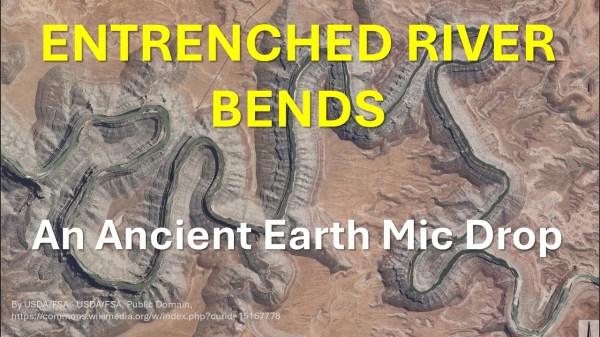
Goosenecks of the San Juan: Entrenched River Canyons Defy Flood Geology
The Goosenecks of the San Juan River in Utah serve as compelling evidence of Earth's ancient age, showcasing entrenched meanders that contradict young Earth creationist theories. Their formation, requiring time and gradual uplift, challenges rapid erosion claims. These geological features provide accessible insights into Earth's processes and history through observable evidence alone.
The Proud Scientific Ignorance of Doug Wilson: An Exploration of Science Denial
In "The Proud Scientific Ignorance of a Christian Nationalist," Gutsick Gibbon dismantles Doug Wilson's scientific misconceptions with precision. Her analysis reveals Wilson's blatant misunderstandings of evolution and geology, underscoring a troubling blend of ignorance and confidence. This isn’t just a critique; it’s a wake-up call about the dangerous spread of misinformation.
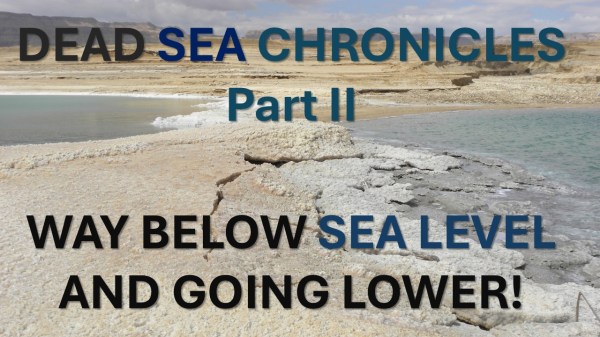
Dead Sea Chronicles Part II – The Lowest Place on Earth Goes Lower: The Dead Sea’s Ongoing Crisis
The Dead Sea, a hypersaline lake between Jordan and Israel, faces rapid decline due to human activities diverting the Jordan River and high evaporation rates. While historically fluctuating, recent developments have accelerated water loss, leading to environmental and economic challenges, including shoreline retreat and sinkhole formation. And how does the shrinking Dead Sea help us understand its origins?
Dead Sea Chronicles Part I: The Origins of the Dead Sea – A Geo-Biblical Exploration
The Dead Sea, located in the Jordan Valley, is Earth's lowest elevation on land, renowned for its high salinity and unique ecosystem. Its declining water levels raise concerns over environmental impacts and provide opportunities for scientific exploration, particularly regarding its geological origins and biblical significance, as this series will examine.
Flood Geology Can’t Explain Dino Droppings
A recent Nature paper reveals insights from fossilized dinosaur droppings, or coprolites, showing dinosaurs evolved from small omnivores to larger specialized eaters. Advanced imaging techniques allow detailed analysis of their diets, challenging young-earth creationist models by showcasing geological progression, preservation, and ecological diversity over millions of years, supporting an old Earth perspective.