The satire site, The Babylon Bee, published a fiction piece earlier this year in which Ken Ham claimed that Mike Trout's amazing baseball abilities are the best evidence we have of intelligent design. The Bee’s clever satire got me thinking about the nature of God’s contingent actions in the world which have traditionally been identified... Continue Reading →
What is a Perfect Trait? The Prelapsarian Paradise in Our Own Eyes
Creationist' literature can be baffling to read at times. It doesn't just contain common misunderstandings of science and theology but often it leaves you with the impression that they haven’t thought through the implications of what they have written. As a result, one article frequently contradicts the thesis, or even the facts, of another. Today’s... Continue Reading →
Canine Transmissible Tumors: Seeking Immortality By Becoming a Parasite
Cancers are composed of cells that have forgotten who they are supposed to be. They become independent brats in the body, hogging resources and dividing uncontrollably. From the cancers perspective the problem is that being a spoiled brat may bring short-term rewards, like lots of offspring and freedom from having to do the job they... Continue Reading →
Origins and Extinctions: A Lesson from the Penguins of the Northern Hemisphere
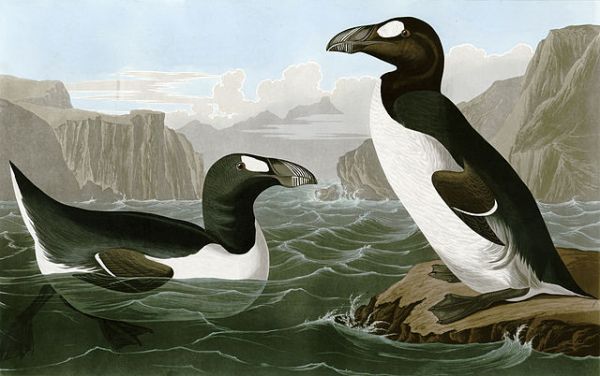
Question: What kind of bird is flightless, waddles standing upright on the ground, is an excellent swimmer, breeds in colonies on rocky shores, lives on a diet of fish and has a white belly and black back, and most importantly is not a penguin? The answer: The extinct great auk. You can think of the... Continue Reading →
The Amazing Killdeer: Designed for Deception, a Good Creation, or Both?
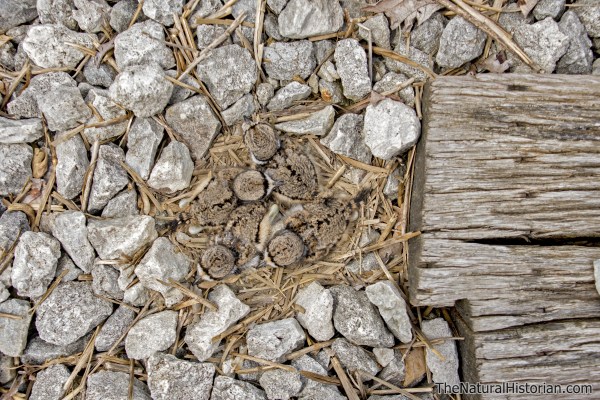
Birds, like all organisms, employ many strategies to ensure that their offspring will survive, thereby allowing the continued existence of the species. Some birds produce elaborate nests high in trees, on rocky ledges or even inside caves to protect them from ground-dwelling predators. Others, like penguins and many shorebirds, nest together, overwhelming predators by sheer... Continue Reading →
Consider the Ostrich: Literal-Day Creationists Unsure about the Ostrich’s Created Condition
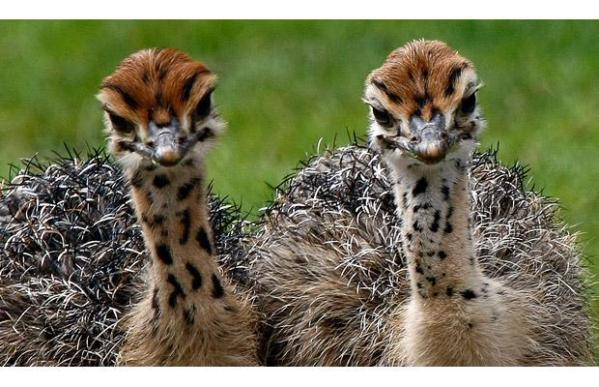
Ostriches are curious creatures. They are very large birds that, although they have large wings, are incapable of flight. They make themselves at home in some of the most inhospitable places. They lay their eggs in simple dirt nests and behave in ways that have perplexed our ancestors since they first laid eyes on them. ... Continue Reading →
Pulling Teeth and Plucking Feathers – Ancient Birds and Young-Earth Creationists
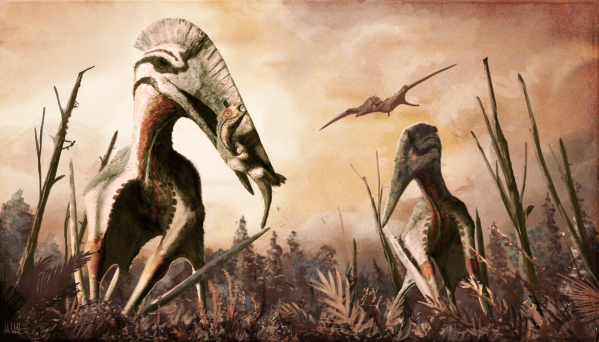
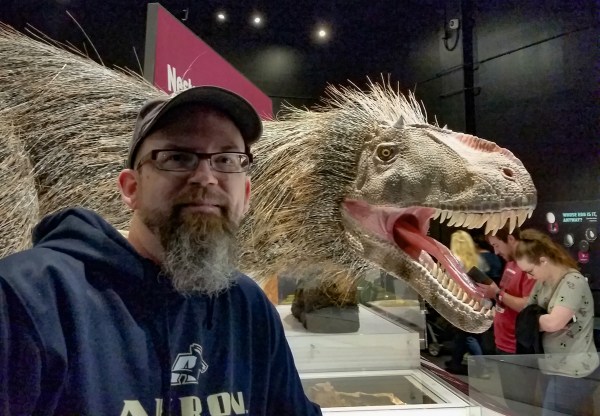
A few weeks ago I criticized Ken Ham and several of his Answers in Genesis' colleagues for stating that some living birds have teeth like those of fossil birds. I pointed out that none of the 10,000 living bird species produce true teeth. However, there were some birds that lived alongside dinosaurs during the Cretaceous... Continue Reading →
Consider the Ostrich—Comparing Theistic Models of Biological Origins
Some passages of scripture contain detailed natural history information about animals. The book of Job, in particular, records many physical and behavioral traits of animals. One such animal described in Job is the ostrich. The ostrich we know today is a strange bird. It is very large, its wings are not able to provide flight... Continue Reading →
Young-Life Creationists—Who are the People that Believe they can Replace Darwin?
Young-earth creationists (YECs) are actively promoting a radical new model of the origin of the diversity of life on Earth. (1) This speculative view borrows a number of elements found in any typical evolutionary biology textbook. For example, modern YECs claim that most and possibly all species alive today—except humans—are related to numerous other species... Continue Reading →
A Flock of Genomes Reveals the Toothy Ancestry of Birds
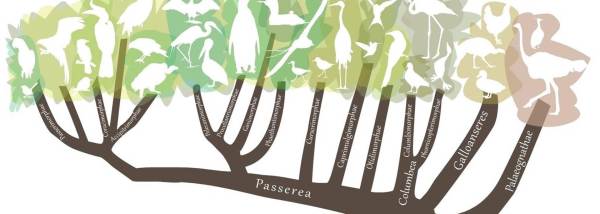
A tidal wave of genomic information seems to wash up on shore each year. In 2014, an especially large wave - in those days long ago! - came ashore in the form of 45 entire genome sequences of birds. The relevance of these genomes and their hundreds of billions of letters of code representing all... Continue Reading →
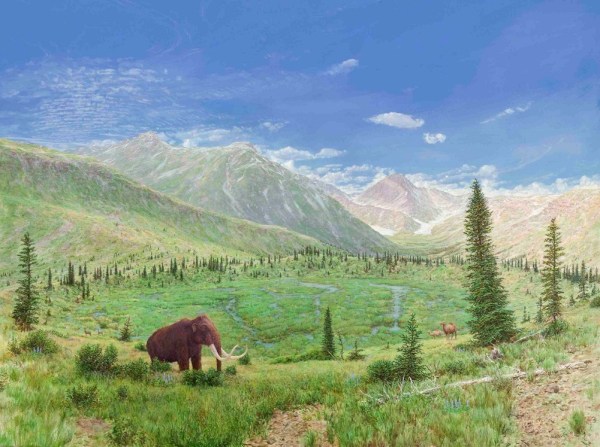
Postcards from Colorado Past: What Bones Buried Beneath an Alpine Lake Have to Tell Us
The accidental discovery of a wealth of bones and plant remains preserved in ancient sediments of a high mountain lake in Colorado has opened a window into a past world. These remains add to the already abundant evidence from across North America that not long ago the climate and animals that populated the continent were... Continue Reading →
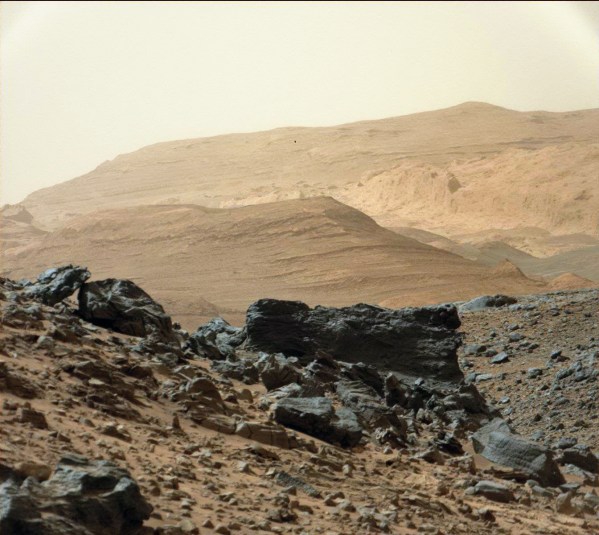
Ancient Mars: Cosmogenic Dating Methods Allow Estimates of Erosion Rates on Mars
The NASA rover Curiosity has been making its way across the floor of Gale crater on Mars since 2012. It has closely examined a wide range of rock types which reveal that this location on Mars has experienced a long history of variable climates. From water-infused bedrock, water-deposited conglomerates, wind-formed fossilized dunes to active sand... Continue Reading →
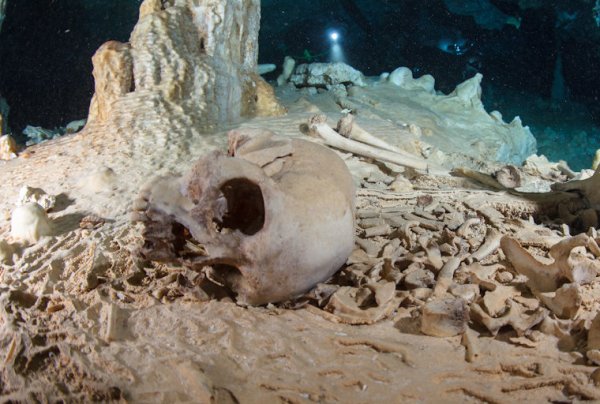
Human Remains in a Drowned Ice Age Cave Contradict Young-Earth Chronology
During the last Ice Age when the oceans were up to 300 feet lower than they are today an extensive cave system on the Yucatan Peninsula of Mexico was exposed above sea level allowing it to be inhabited by land animals. When the great ice sheets melted from the Earth's surface causing the oceans to... Continue Reading →
Cactus Biogeography: A Prickly (Pear) Problem for Young Life Creationism
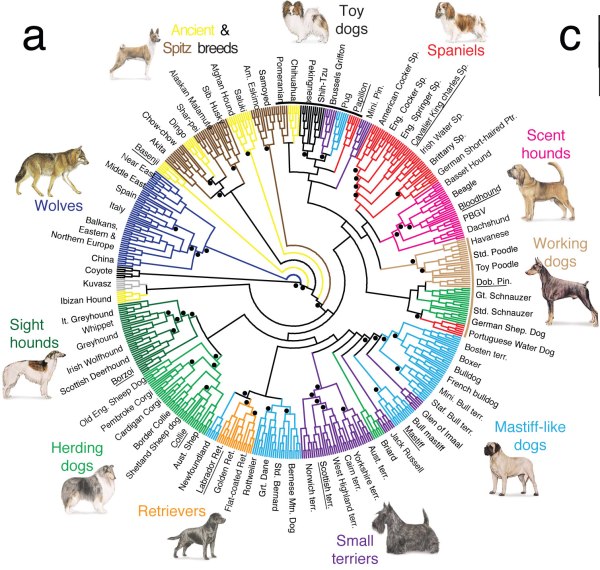
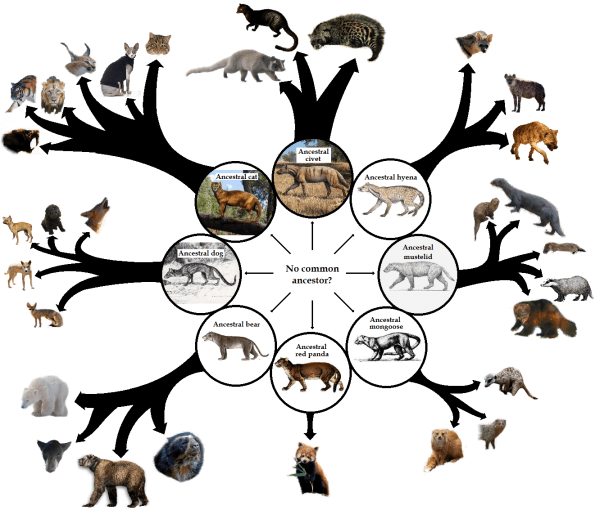
Young-earth creationists (YECs) routinely appeal to post-flood hyper-evolution to explain the diversification of pairs of ancestral animals into dozens and even hundreds of descendant species in the space a few hundred years following a global flood 4500 years before present. For example, a pair of ancestral canines are said to have evolved in less than 1000... Continue Reading →
Tricksy Hominin Fossils: Hobbitses are Human but Homo naledi is not
Young-earth creationists (YECs) are at odds with each other about whether a large collection of fossils found deep in a South African cave should be categorized as humans (Homo naledi) or apes. But what about other hominin fossils that the scientific community have generally considered the remains of distant relatives of humans? What about... Continue Reading →