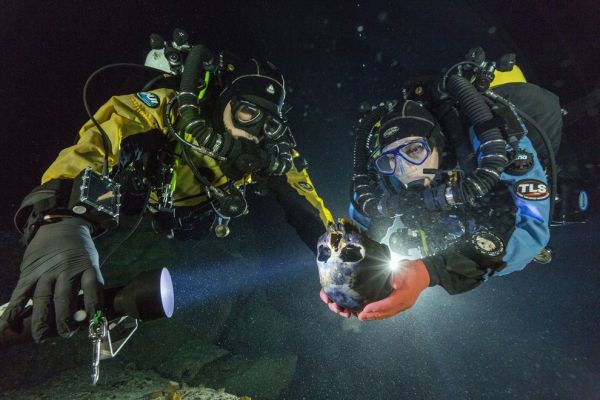
During the last ice age some 12 to 13 thousands years ago a young girl found herself wandering in caves of the Yucatan Peninsula likely looking for water. Hundreds of feet into a cave something happened and she fell in a deep pit breaking her pelvis. With no escape 100 feet down she died a lonely death. She... Continue Reading →
Ancient DNA Comes to Life: Giant Virus Resurrected from Siberian Permafrost
Just how long can DNA survive after the death of a cell or without cellular activity to maintain itself? I addressed this question a few months ago (Young Earth Creationism and Ancient DNA) and suggested that we would learn much more in the coming year. Already we have seen multiple complete genomes from fossil bones... Continue Reading →
Geological Context V: Human Fossil Footprints Found Below Ice Age Deposits
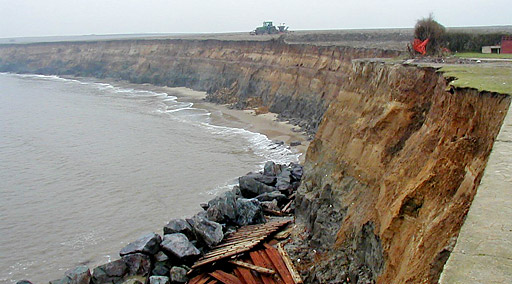
A story is breaking today of a significant fossil find made almost a year ago but kept under wraps until the data could be properly evaluated. What has now been revealed is that over 100 footprints were found in newly uncovered rocks along a shoreline of England. Study of these footprints has led to... Continue Reading →
Cosmogenic Dating Methods Allow Estimates of Erosion Rates on Mars
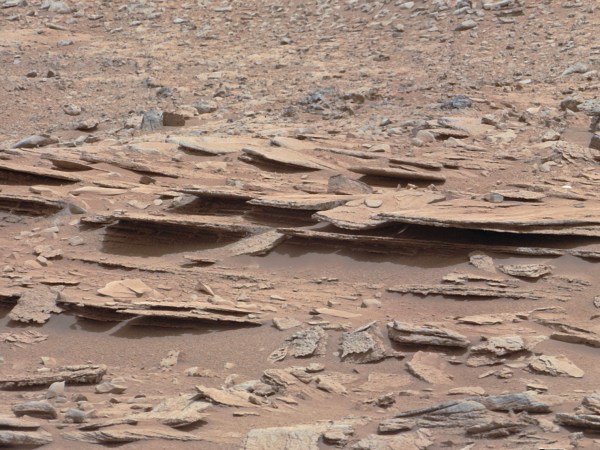
Just how fast are some rocks on Mars eroding? A few months ago I asked a Martian rock that question (see: My Interview with a Martian: A Story of Origins) and I was not given a very satisfying answer. Well, that rock can be excused for being a bit confused about time given how boring... Continue Reading →
Invoking Super-Speed Evolution: How to Squeeze 10,000+ Bird Species onto Noah’s Ark
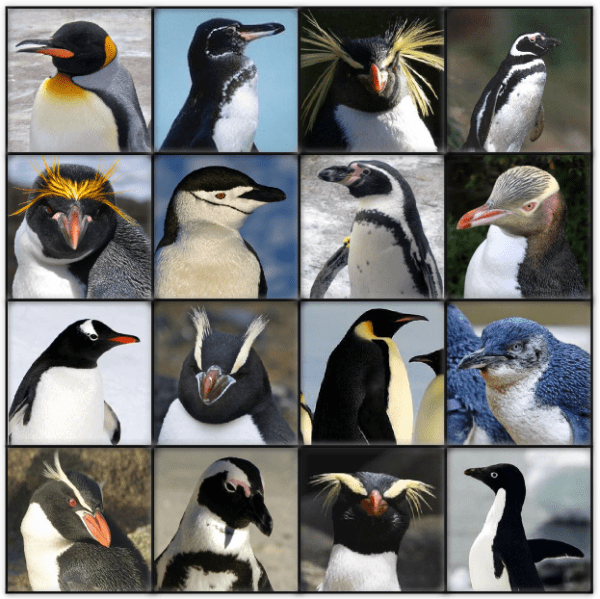
There are about 10,000 species of birds alive today. Almost 200 additional species have gone extinct since the year 1500 and there are innumerable fossil species of birds in the geological column. One of the persistent challenges for modern young earth creationists is how to fit the diversity of life on the Noah’s ark. Answers... Continue Reading →
NH Notes: Rising Star Expedition Update
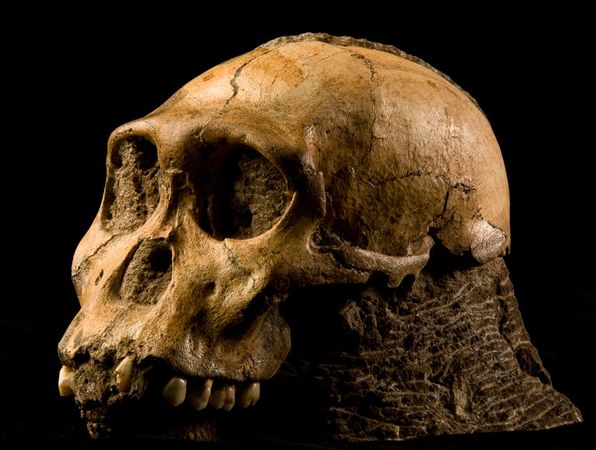
The process of discovery in science can be as fascinating to follow as a sporting event: if we knew how it was going to end we would be much less likely to watch. The Rising Star Expedition has the drama but not the finality, fortunately!, of a sporting event where there is a final score. ... Continue Reading →
Science in Progress: The Rising Star Expedition in South Africa
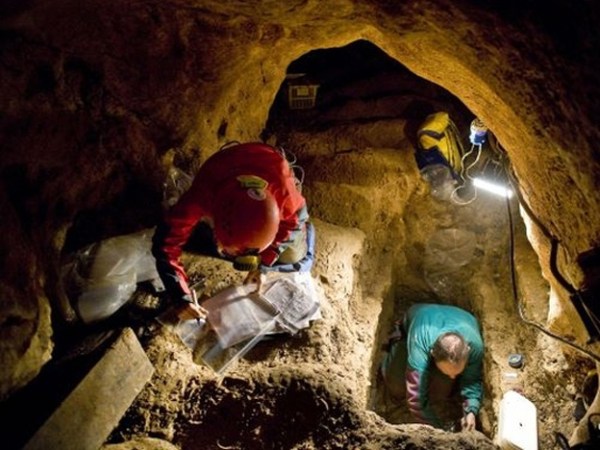
Update (Nov 2013): Please be aware this article was written as a first impressions of an ongoing expedition as an outsider onlooker. I updated this information (Rising Star Update) as more data came to light a few weeks later. It now seems fairly clear that this location will become a significant one in the study of... Continue Reading →
My Interview with a Martian: A Story of Origins
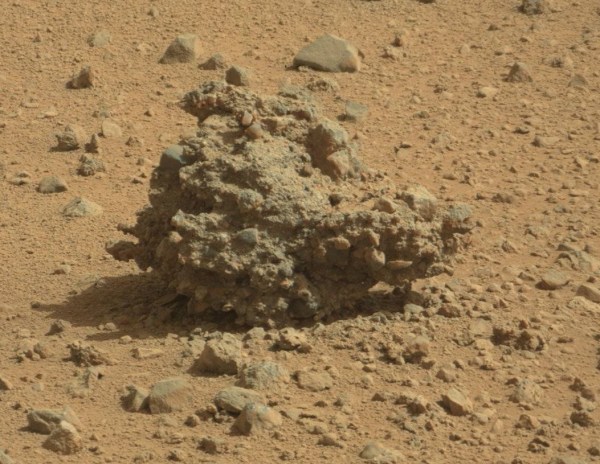
Everything has an origin.* Some stories of origins are relatively simple (eg. Niagara Falls) while others are much more complex (eg. the Grand Canyon). The study of origins is the study and reconstruction of past events. We have eyewitness accounts of some events from the past but mostly we use circumstantial evidence left behind as... Continue Reading →
NH Notes: Answers in Genesis and a Mountain of Extraterrestrial Dust
How long would it take for falling dust to accumulate into a mound 2 1/2 miles tall? Answers in Genesis has commented (Wind, not water, may have built the Martian Mount Sharp) over the weekend on the same research article that I referenced in my post last week (NH Notes: Did Wind and Dust Create a... Continue Reading →
DNA from a Fossil Canine Skull: Confirmation of an Ancient Domesticated Dog
Where did domesticated dogs come from? That dogs are wolves has been known for some time but which wolves and when did domestication occur has been a more difficult question to answer. Thousands of dog breeds and wolves have been genotyped to explore this question and that evidence suggests four and possibly more, separate wolf... Continue Reading →
Of Kinds and Common Ancestors: Comparing Mitochondrial Genomes of Mammals
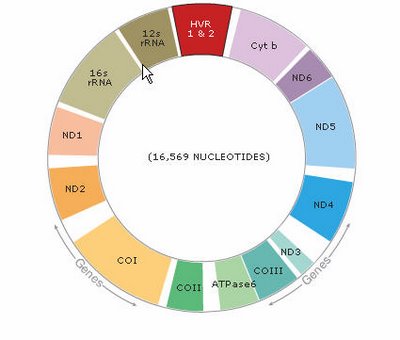
A few days ago I shared some thoughts about the significance of genetic differences that are observed between humans and primates (How Similar is Similar, Part I). I said that it was important that genetic similarity numbers that are frequently used to make a case for genetic uniqueness need to be assessed in the context of... Continue Reading →
How Similar is Similar? Baramins, Species, and the Identification of Common Ancestors
A recent paper published by the Answers Research Journal, the research publication of Answers in Genesis, reported a comparison of human and chimpanzee genomes and found that they have, on average, a DNA similarity of only 70%. This is a very striking number since the usual numbers you hear thrown about as representing the similarity... Continue Reading →
Creation Debate in the Adventist Church
A reader recently brought the articles linked below from a Seventh Day Adventist (SDA) website to my attention. I found them interesting not just because they present a good overview of the challenges that the Greenland ice cores present to young earth creationism but because it raised my own awareness about current discussions in the... Continue Reading →
Progressive Creationism: A Whale of an Inference
I think it is safe to say that the average person has little appreciation for the diversity (eg. number of species) and the total numbers of whales in the world. What most people hear about whales is that there are some that are hunted to near extinction. This tends to create the impression that whales are rare animals. Yes, there are many rare and endangered species of whales but there there are many that are very abundant.
Web Traffic Data for Reformed and Creationist Sites
I am updating some web traffic data and adding a few new sites. I was wondering how the traffic of some of the prominent creation evangelism sites such as Answers in Genesis (AIG) and the Institute from Creation Research (ICR) compared to that of other general Christian web sites and reformed Christian organizations. I got... Continue Reading →