Everything has an origin.* Some stories of origins are relatively simple (eg. Niagara Falls)  while others are much more complex (eg. the Grand Canyon).  The study of origins is the study and reconstruction of past events. We have eyewitness accounts of some events from the past but mostly we use circumstantial evidence left behind as... Continue Reading →
Night of the Invasive Earthworms: A Horror Story for Northern Forests
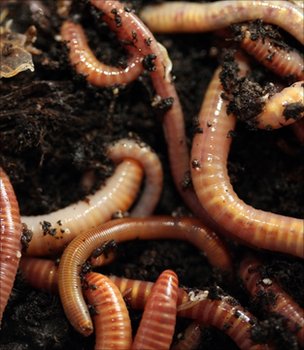
We all learned from an early age that earthworms are God's good gift to gardeners. Â They rework the soil and help to degrade leaf litter thus helping to make nutrients and water available to plant roots. Â Our appreciation of earthworms can be traced back to Charles Darwin who spent more than 40 years... Continue Reading →
A Tour of The Dinosaur Trail of Mill Canyon (Moab, UT)
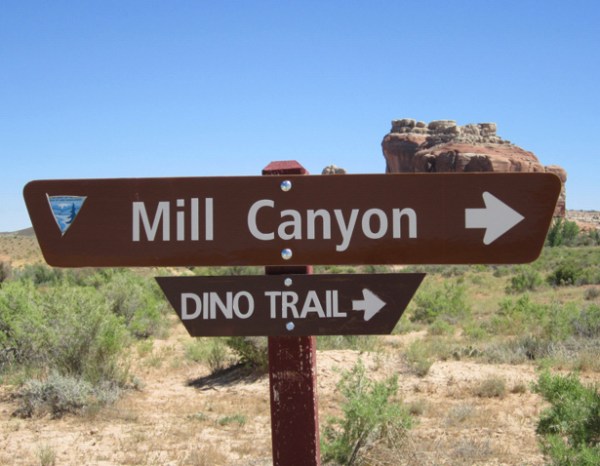
What museum can you go to where  you can see real dinosaur bones, you don't pay any fees, you can touch all the exhibits and there are no security cameras watching your every move (at least I don't think there are:-)?  The answer is The Mill Canyon Dinosaur Trail near Moab, Utah.  This outdoor "museum"... Continue Reading →
Dinosaurs, Dragons and Ken Ham: The Literal Reality of Mythological Creatures
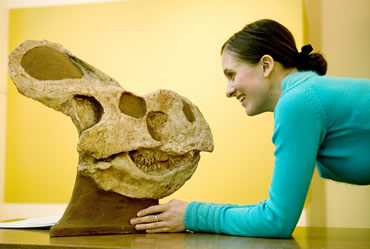
Image you are living in 200 BC in the Middle East region and you come by the skull to the right as you plow your field or when you explore the local cave complex. What if you are wandering the desert  in Egypt and happen upon the bones in the second figure. Or what about... Continue Reading →
A Horse is a Horse According to Answers in Genesis
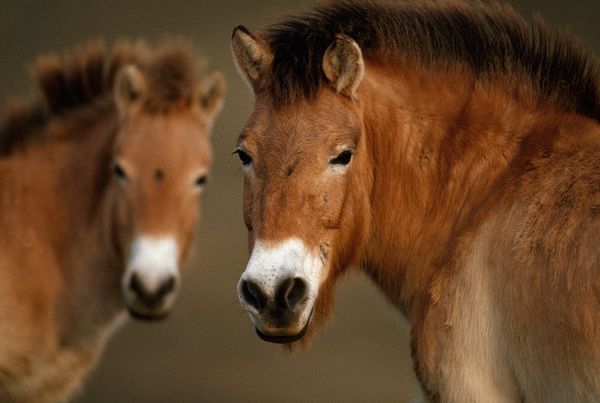
In 2013 a remarkable DNA sequence was revealed by geneticists studying ancient DNA. It was the nearly complete genome extracted and decoded from the remains of a tooth from a horse preserved in permafrost sediments buried in the Yukon region in Alaska. This partially fossilized bone was estimated to be more than 500,000 years old. ... Continue Reading →
A Trip to the Joggins Fossil Cliffs in Nova Scotia
Family vacation with the Duffs always includes some geological sights. Â In 2007 we visited Prince Edward Island and had a wonderful time but the there just wasn't enough geology there to satisfy my curiosity so I took us on a 2 hour detour in Nova Scotia. Â After a lot of "are we there yets" and... Continue Reading →
The YDB Event: The Most Recent Global Catastrophe in Human History?
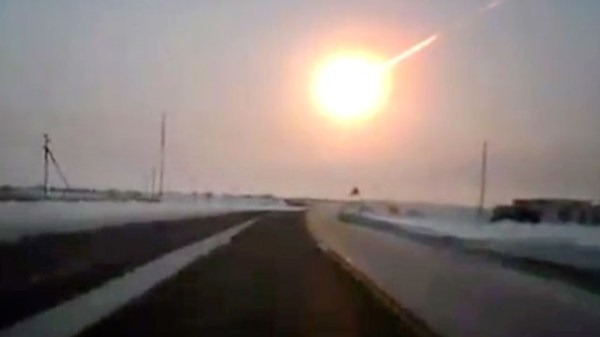
Remember the meteor that exploded over Russia earlier this year? A 50 foot diameter object exploded 14 miles above the surface of the earth and created a shock wave that injured 1500 people and damaged more than 7000 buildings. Despite the drama, the lasting effects on the earth were minimal and only small pieces of the meteorite made it to the surface of the earth.
Implications of Artifacts and Bones on Ancient Human Butchery Practices
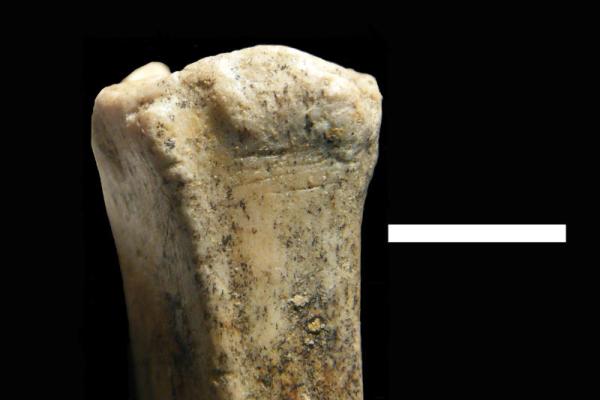
A recently published study is making news the last couple of days. It regards evidence obtained from remains of preserved bones of human scavenging and/or hunting practices.  The site of the dig is a hillside in southern Kenya where, in less than an acre, more than 3700 fossils and more than 2000 artifacts have been recovered... Continue Reading →
They Have the Gene but Blood is Not Sweet Nectar to the Vampire Bat
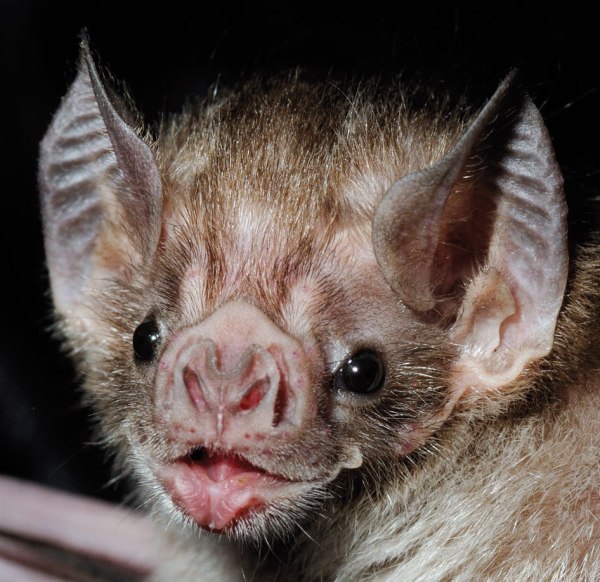
In my class yesterday I reviewed a paper selected by my students that explored the sweet tasting abilities of bats. We learned that most, but not all, bats can taste sugar like other mammals.  I did not know much about mammalian taste receptors (that is one problems with letting students pick the topics!) and I... Continue Reading →
The New Zealand Flora: Flightless Moas as Agents of Natural Selection
Plants aren't just helpless victims of herbivory. They find ways to fight back against those voracious animals that can ravage them in short order.  Plants can produce toxins, spines, thorns, glass crystals in their cells and many other defenses but all of these defenses require a significant allocation of energy.  That energy could be spent growing new... Continue Reading →
DNA from a Fossil Canine Skull: Confirmation of an Ancient Domesticated Dog
Where did domesticated dogs come from?  That dogs are wolves has been known for some time but which wolves and when did domestication occur has been a more difficult question to answer.  Thousands of dog breeds and wolves have been genotyped to explore this question and that evidence suggests four and possibly more, separate wolf... Continue Reading →
Of Kinds and Common Ancestors: Comparing Mitochondrial Genomes of Mammals
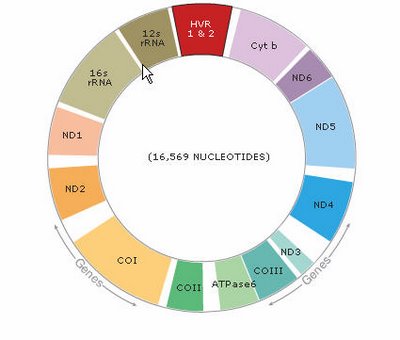
A few days ago I shared some thoughts about the significance of genetic differences that are observed between humans and primates (How Similar is Similar, Part I). I said that it was important that genetic similarity numbers that are frequently used to make a case for genetic uniqueness need to be assessed in the context of... Continue Reading →
How Similar is Similar? Baramins, Species, and the Identification of Common Ancestors
A recent paper published by the Answers Research Journal, the research publication of Answers in Genesis, reported a comparison of human and chimpanzee genomes and found that they have, on average, a DNA similarity of  only 70%.  This is a very striking number since the usual numbers you hear thrown about as representing the similarity... Continue Reading →
Did T. Rex Really Have Tiny Arms? – Historical Science and Creationism
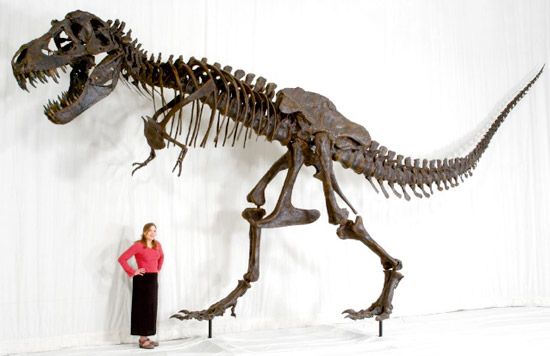
Everyone has encountered a T. rex in books, movies or museums.  Besides its size and menacing jaws one of the most striking features of a T. rex is its diminutive arms.  So why were the arms of T. rex so short?  There have been many hypotheses including: 1) they had no use and... Continue Reading →
Curiouser and Curiouser: A Mars Curiosity Update
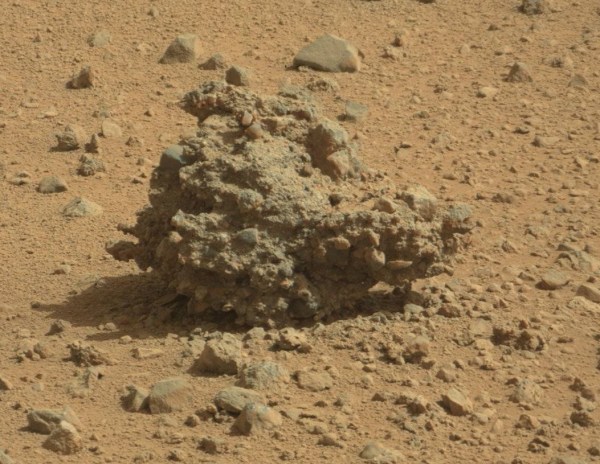
After the Mars Science Laboratory, otherwise known as the Curiosity rover, dropped down the rabbit hole and safely landed on the surface of Mars there was much ado about the first images and hints at a watery past. Â Since then the rover has left the public eye but the rover has been no slouch,... Continue Reading →