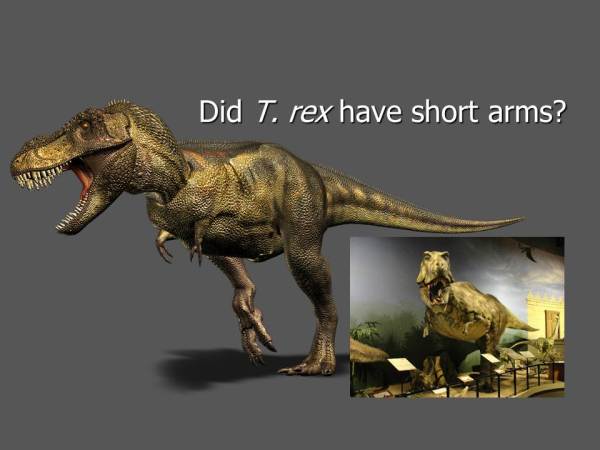
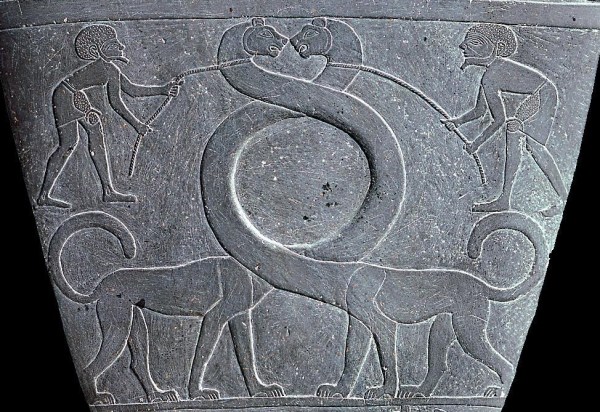
Can you find the obvious evidence that humans and dinosaurs lived together in this 5000 year old Egyptian plate? No? Well, the Institute for Creation Research continues to publish the graphic below suggesting that this is yet more evidence that dinosaurs and humans lived together. They just posted it again on Facebook which spurred me... Continue Reading →
The Dangers of Poor Scholarship: A Creationist’ Take on Feathered Dinosaurs
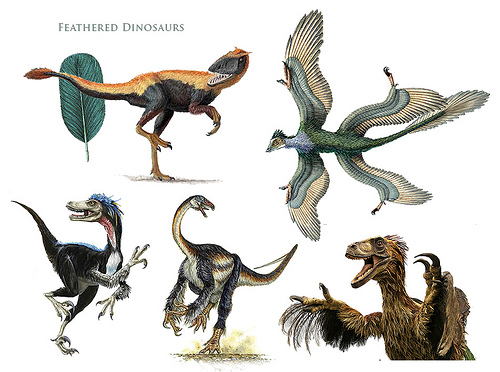
Every month seems to bring a report of a new fossil from the Jurassic or Cretaceous period rocks that display some form of feathers. This deluge of new fossil finds will not end because there are as many fossils under preparation for publication as there are already published. Just taking into account the fossils already revealed... Continue Reading →
Curiosity Rover Update: Diverse Geological Formations on Mars
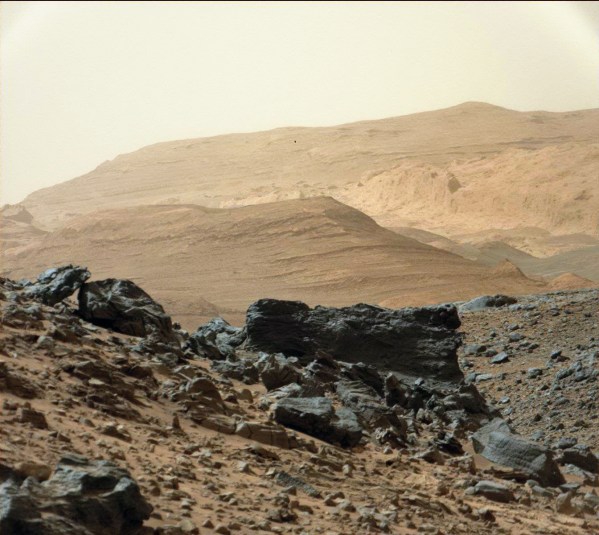
The Mars Curiosity Rover continues to make its way through the basin of Gale Crater on Mars. I’ve provided periodical updates on its progress as it makes its way toward a large mountain in the center of the crater. For the past six months the rover has not moved much, spending its days using the... Continue Reading →
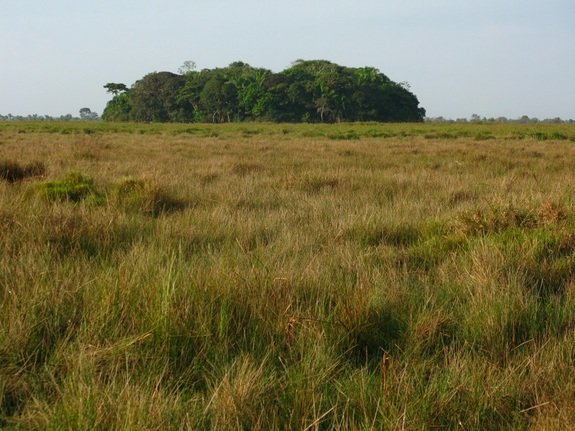
Amazonian Forest Islands: Accidental Products of Ancient Human Occupation
The Amazon basin isn't all a lush tropical forest. In large portions of western Amazonian wet seasonally flooded grasslands - not trees - are the norm. The upper branches of the Amazon River wind themselves across massive flood plains like snakes writhing across a sandy surface. One feature of these nearly featureless flat plains that... Continue Reading →
Origins of a Tropical Island II: The Long Road from Lava to Colonization
Imagine a tropic island paradise with beautiful beaches and thousands of plants and birds. Chances are you are imagining an island that formed as the result of volcanic activity. Examples would include the Caribbean islands, the Polynesian islands, and the Hawaiian Islands. But imagine what those islands looked like when they first formed. Rather than... Continue Reading →
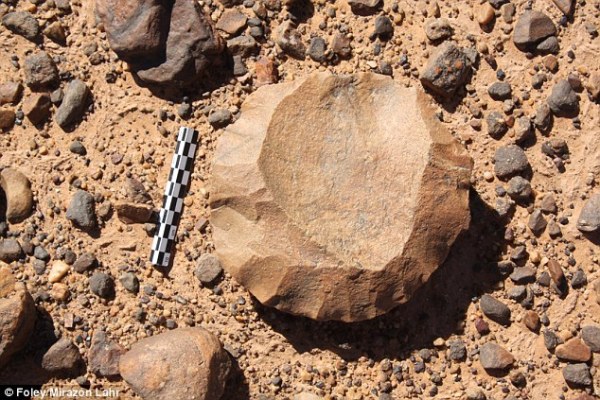
Trillions of Stone Age Artifacts: A Young Earth Anthropology Paradox
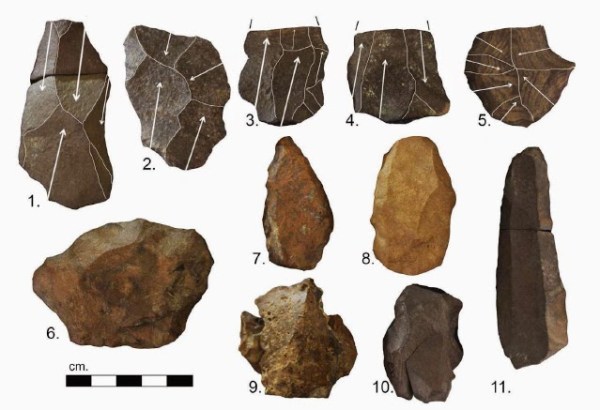
Trillions of stone artifacts cover the surface of the African continent. The product of the manufacturing of stone tools by hunters and gathers over long periods of time, these stone artifacts literally carpet the ground in some places in Egypt and Libya. Just how much Stone-Age produced rock could be strewn across the African continent? Trillions and trillions... Continue Reading →
Global Flood on Mars: Where Did the Water Go?
News of evidence that Mars was once host to a volume of water equivalent of the Arctic ocean on Earth has been hitting the newswires. This might sound like new news but this is really just a more comprehensive analysis of work that has been ongoing for several years. Preliminary analysis had already suggested that... Continue Reading →
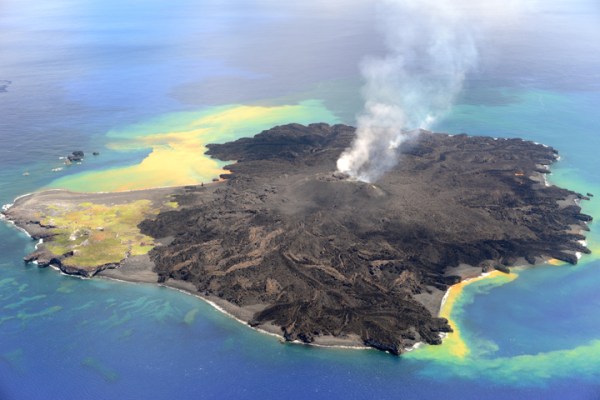
Origins of a Tropical Island: Instant Paradise or a Long Chaotic Process?
In November of 2013, over 600 miles south of Tokyo, a volcanic eruption formed a new island. That new island continued to grow for over a year, eventually joining itself to the neighboring island of Nishino-shima, a volcanic island formed long ago. Today, volcanic activity continues to cause this new ocean-island to expand bringing it... Continue Reading →
Forams and Diatoms: Testing Young Earth Flood Geology Hypotheses
Diatoms with their symmetrical highly-photogenic glass houses may get most of the attention but the foraminiferans (forams) present some formidable competition. In my recent article (Life in a Glass House) I revealed that the glass-house remains of diatoms are conspicuously absent from the bottom two-thirds of the geological column. This raised a rather uncomfortable question... Continue Reading →
Life in a Glass House: Diatoms Shatter Young Earth Flood Geology
Diatoms are single-celled organisms that live in almost any moist environment. They are found by the millions in a cup of sea water or a puddle in your back yard. They play a critical role in the environment as oxygen producers. But they are best known for their visually stunning homes constructed of glass. I... Continue Reading →
Christian Responses to the Spiritual and Physical Status of Neanderthals
The physical and spiritual status of Neanderthals has been hotly debated since the first fossilize of bones were described from Neander Valley in Germany in 1856. Since that time bones from more than 400 Neanderthal individuals have been recovered over a large geographical range (fig 1). Hundreds of published studies on these bones, artifacts... Continue Reading →
The State of Creationism in the Church Today: Reflections on ETS 2014, Part II
Evangelical Christianity, broadly defined, has seen a number of science and faith battles over the past 50 years. For most of those years the debate has focused on the age of the earth and the closely – though not universally - associated debate about the extent of Noah’s Flood. Today, the age of the Earth... Continue Reading →
Reflections on ETS 2014, Part I: An Overview of Origins Related Talks
The landscape of science and faith discussions within conservative evangelical Christianity has shifted noticeably over the past 20 years. Vigorous debates over the meaning of the day of creation in Genesis 1 were common in the 1990s, resulting in study committee reports from conservative denominations like the Presbyterian Church in America, “Report of the Creation Study Committee”... Continue Reading →
How Rare are Stone Age Artifacts? A Visit to a Stone Tool-Making Center at Kathu, South Africa
Hundreds of millions and possibly billions of stone artifacts sit just under parking lots and homes in Kathu, South Africa. A small sample of those artifacts were examined a few years ago in a vacant lot scheduled to be developed into a shopping plaza. A simple trench and pits dug in that lot revealed a... Continue Reading →
A Flock of Genomes Reveals the Toothy Ancestry of Birds
A tidal wave of genomic information seems to wash up on shore each year. In 2014, an especially large wave - in those days long ago! - came ashore in the form of 45 entire genome sequences of birds. The relevance of these genomes and their hundreds of billions of letters of code representing all... Continue Reading →