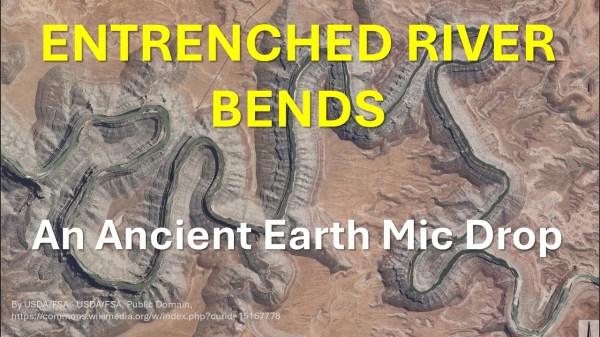
The Goosenecks of the San Juan River in Utah serve as compelling evidence of Earth's ancient age, showcasing entrenched meanders that contradict young Earth creationist theories. Their formation, requiring time and gradual uplift, challenges rapid erosion claims. These geological features provide accessible insights into Earth's processes and history through observable evidence alone.
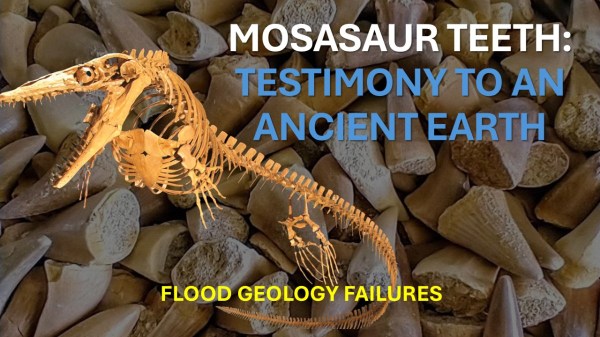
Millions of Moroccan Mosasaur Teeth Create Dental Crisis for Flood Geology
In the Moroccan desert, millions of mosasaur teeth embedded in phosphate challenge the young Earth creationist viewpoint. The sheer volume and stratification of these fossils are impossible to explain under a rapid flood model. This evidence underscores a deeper, more complex history of Earth.
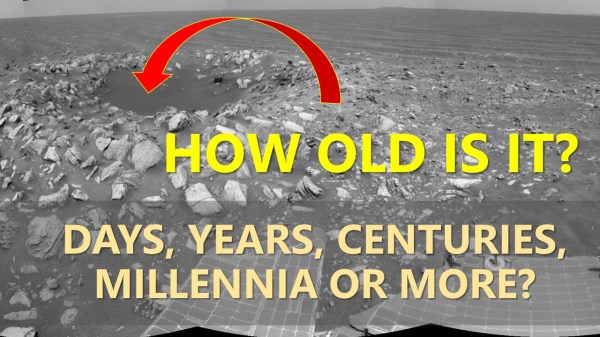
Perceiving Age: What Mars Can Teach Us About Our Geological Intuition
Humans are shockingly bad at grasping geological time, as demonstrated by students misjudging Martian erosion rates. They vastly underestimate how ancient features really are, clinging to Earth-centric views. This disconnect feeds the ignorance of young-Earth claims, highlighting the critical need to demystify geological timelines for a more accurate understanding of our universe.
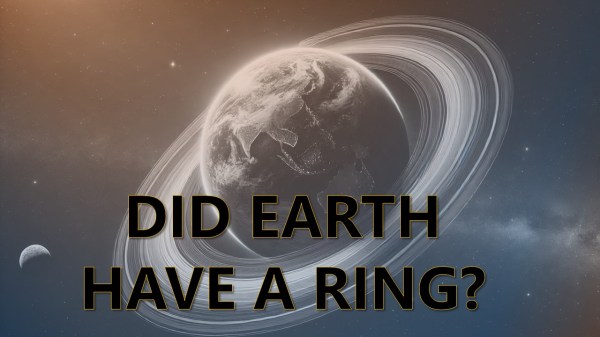
Did Earth Have a Ring in the Past?
Forget what you think you know about Earth—millions of years ago, it might have sported its own ring! Recent research reveals an astonishing concentration of impact craters positioned along the equator, suggesting a temporary ring of rocky debris from a celestial encounter. Here I present the evidence and consider the challenge this is for the young-earth model of earth's history.
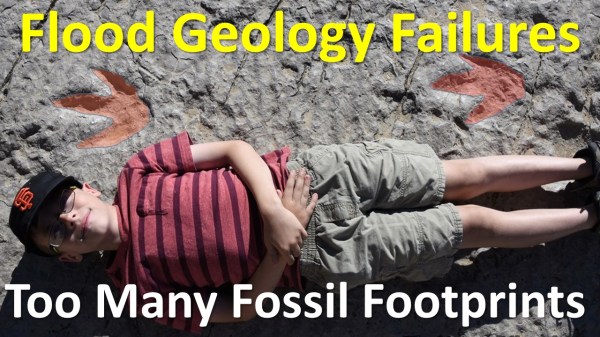
A Fossil Paradox? Footprints are Rarely Preserved in Stone and yet are very Common
Billions of footprints are preserved in the rock record. While bones get all the attention, fossil footprints, a type of ichnofossils outnumber bones. How can we make sense of this observation? Surely, preserving a bone must be far more likely than preserving a footprint? I have written about how paleontologists use information from footprints and bones... Continue Reading →
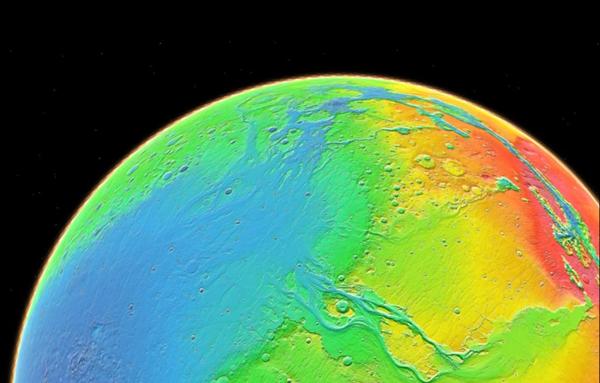
Young Mars Creationism: What Happened to the Water on Mars?
Mars once had a thicker atmosphere and liquid water on its surface. Nearly every month data from satellites and multiple ground-based systems provide new evidence confirming what was once speculation about the watery past of Mars. But how much water and how long ago did this water exist? A large amount of water still exists on Mars... Continue Reading →
The Best Critique of Flood Geology Written by a Flood Geologist
Young-earth creationists have been wrangling for decades over how to identify where the Flood/post-Flood boundary is to be found. I described the most popular hypotheses put forward by YECs in a recent post, Where is Noah's Flood in the Geological Column? I have also recorded a YouTube video based on this article. https://www.youtube.com/embed/7gEwLe6c3Wg There is... Continue Reading →
Multituberculates and the YEC Flood/post-Flood Boundary Problem
Yes, multituberculates have something to say about the ongoing division among YECs about where to locate the Flood/post-Flood boundary in the geological column. Is that boundary to be found in the Quaternary, at the Cretaceous/Paleogene boundary or way down in the Pennsylvanian Period? These are the three primary models that YECs have proposed. The problem... Continue Reading →
Young-earth Hyper-migration? Drowned Ice Age Caves Contradict Young-Earth Timeline of Human History
During the last Ice Age when the oceans were up to 300 feet lower than they are today, an extensive cave system on the Yucatan Peninsula of Mexico was exposed, above sea level, allowing it to potentially be occupied by animals and humans. When the massive ice sheets melted from the Earth’s surface causing the... Continue Reading →
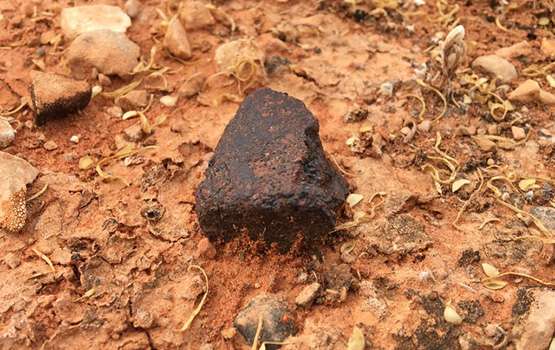
Finding Mars on Earth: A Conversation about Martian Meteorites
The evidence continues to accumulate: Mars used to be wet. It used to have a much more active hydrological cycle. The Mars Couriosity Rover has been revealing the complex geology of Mars including the deposition of sedimentary rocks (Curious Geology: Stunning Images Reveal a Complex Mars) but we have been able to study the watery... Continue Reading →
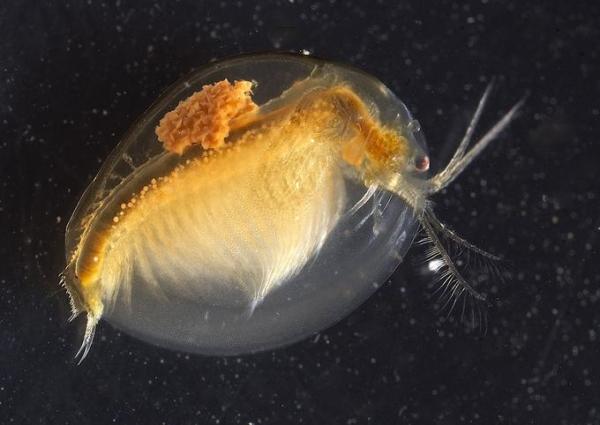
A Tale of Taphonomy: Clam Shrimp Fossils and the Age of the Earth
One of the great privileges of my job is that I get to participate on graduate student committees. Many times this allows me to get up close and personal with data sub-disciplines extend far from those of my particular expertise. You know that I have a fondness for fossils and the stories they tell. So... Continue Reading →
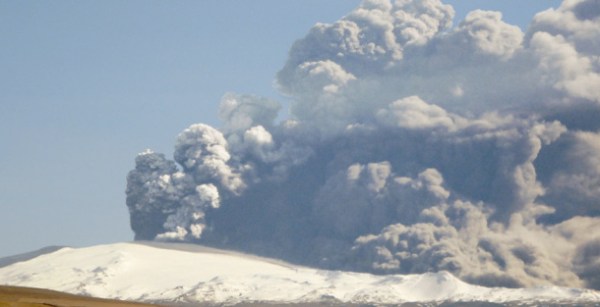
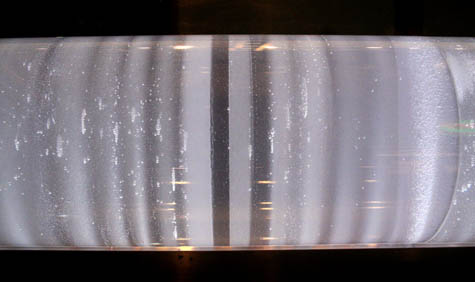
The Lake Malawi Sediment Chronometer and the Toba Super Eruption
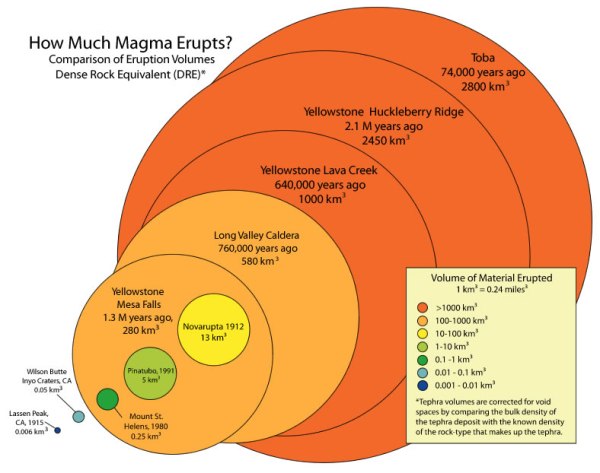
One of the largest volcanic eruptions in earth’s history, the Toba super eruption has been a special interest to anthropologists and climatologists because of its potential impacts on past human populations. I have explored the implications of the Toba eruption on human history in previous posts (See: The Toba Super Eruption: A Global Catastrophe that... Continue Reading →
The Toba Super Eruption, Polar Ice Cores, and Climate Change
I recently discussed how the catastrophic Toba super-eruption in Indonesia is a serious challenge to the young-earth model of earth's history (The Toba Super Eruption: A Global Catastrophe that Creationists Ignore). Briefly, I explained that the Toba volcano caldera produced the largest eruption in the past 100,000 years releasing an estimated 2800 cubic kilometers of... Continue Reading →
The Toba Super-Eruption: A Global Catastrophe that Young-Earth Creationists Ignore
Sudden catastrophic events are not unknown in earth’s history. Large craters are evidence of past cosmic impacts and widespread layers of volcanic ash are a testimony to massive volcanic eruptions. But when did these catastrophes occur and could they have influenced human history? Standard geological models place the largest catastrophic events far in the past. ... Continue Reading →
Fossilized Rivers? The Exhumed Palaeochannels of Utah and Mars
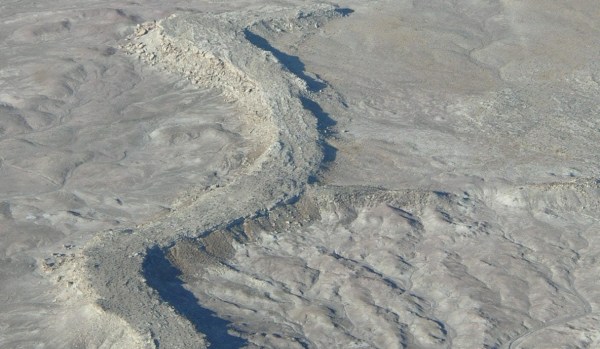
Here is a puzzle: Where can you stand on dry ground and look up to see a river channel above you? Yes, New Orleans is a good answer. However, I'm talking about looking up 100 feet from a non man-made location. There are many places on Earth and possibly on Mars where such... Continue Reading →