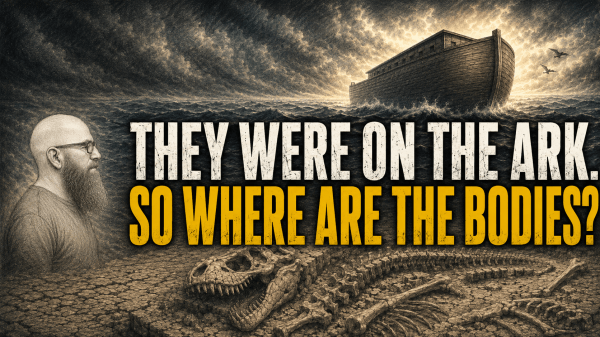
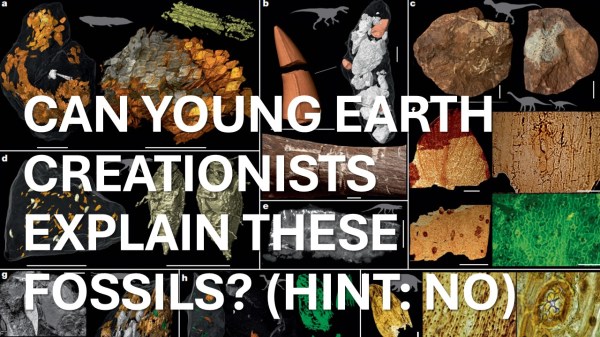
In the debate over young-earth creationism, a glaring question lingers: where's the evidence for dinosaurs coexisting with humans just a few thousand years ago? The young-earth narrative crumbles under scrutiny, lacking fossils while other megafauna thrive in the archaeological record. It's a faith dangerously tethered to a flawed interpretation of science, urging believers to contemplate a more profound truth.
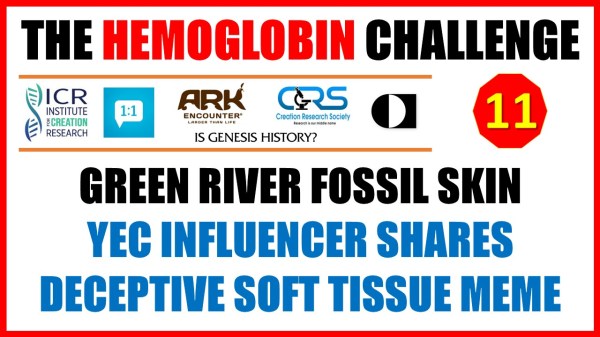
The Hemoglobin Challenge: When a Meme Is More Than Misleading
I recently posted a new episode of my ongoing Hemoglobin Challenge series that illustrates the usual pattern of YEC soft-tissue misrepresentation, but also involves a claim I can only describe as a straightforward falsehood. The subject is a preserved piece of lizard skin from the Green River Formation, a fossil that has been the subject... Continue Reading →
What to Do with the Plants? A Survey and Critique of Young-Earth Creationist Models for the Plant Fossil Record
The young-earth creationist (YEC) theories struggle under the weight of their own inconsistencies when confronted with the ordered, global plant fossil record. With multiple contradicting models failing to account for the absence of angiosperm pollen before the Cretaceous, an outdated narrative is becoming increasingly untenable. The evidence overwhelmingly favors established geological timelines.
Deep Time Did Not Come “Primarily Out of Atheism as Ken Ham Claims
Ken Ham's claim that the idea of deep time emerges largely from atheism is not just inaccurate; it's a dangerous simplification. The pioneers of geology were predominantly Christians whose empirical findings on the earth's age contradicted Ham's narrative. Their faith inspired, rather than compromised, their geological discoveries, revealing a profound connection between science and scripture.
Dead Sea Chronicles Part VI: All Dried Up – When the Dead Sea Died
The Dead Sea's dramatic history reveals a shocking narrative of desiccation far deeper than previously imagined. This ancient lake, now evaporating, has endured cycles of extreme drought, challenging young Earth creationist theories. Evidence from sediment cores exposes not just one, but multiple significant drying events that defy a simplistic timeline of Earth's history.
Flood Geology Can’t Explain Dino Droppings
A recent Nature paper reveals insights from fossilized dinosaur droppings, or coprolites, showing dinosaurs evolved from small omnivores to larger specialized eaters. Advanced imaging techniques allow detailed analysis of their diets, challenging young-earth creationist models by showcasing geological progression, preservation, and ecological diversity over millions of years, supporting an old Earth perspective.
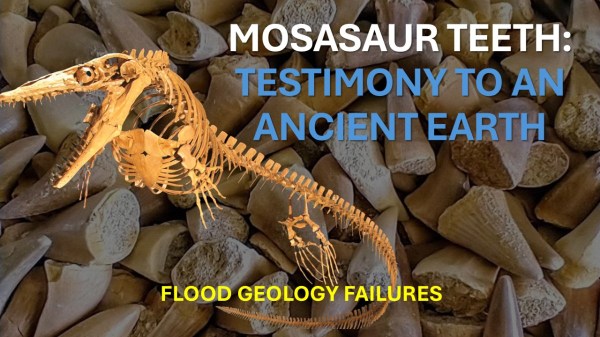
Millions of Moroccan Mosasaur Teeth Create Dental Crisis for Flood Geology
In the Moroccan desert, millions of mosasaur teeth embedded in phosphate challenge the young Earth creationist viewpoint. The sheer volume and stratification of these fossils are impossible to explain under a rapid flood model. This evidence underscores a deeper, more complex history of Earth.
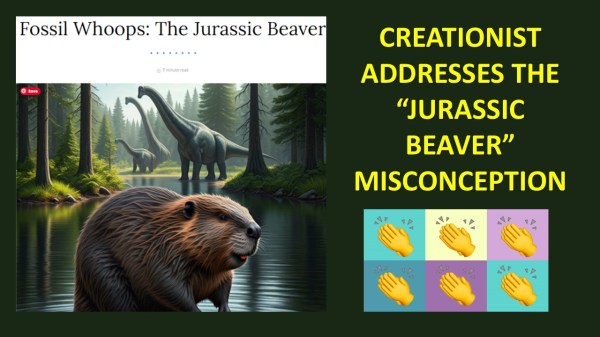
The Jurassic Beaver That Wasn’t: A Young Earth Creationist Gets It Right
In a striking critique of young-earth creationist claims, the discussion surrounding the "Jurassic beaver" fossil reveals a need for intellectual honesty. The article underscores the flawed interpretations within YEC circles, advocating for rigorous examination of evidence and a recognition of the fossil record's complexity. Self-scrutiny in any belief system is essential.
The Hemoglobin Challenge: Debunking Bryan Osborn’s Dinosaur Blood Cell Claims
Meet Bryan Osborn, the latest contestant in the Hemoglobin Challenge. His recent claims about dinosaur soft tissue have ignited a clash with scientific evidence. I'm calling out the misrepresentations and urging a more accurate language. The reality of degraded biomolecules in dinosaur fossils paints a story of much greater age, challenging the young earth narrative.
Scientific Integrity in the Creation-Evolution Debate: The Case of the ‘Jurassic Beaver
Here I revisit a contentious claim made by creationists about the coexistence of modern mammals and dinosaurs. By dissecting primary scientific literature, I debunk the portrayal of a "Jurassic beaver" and advocate for honest communication in presenting fossil evidence.
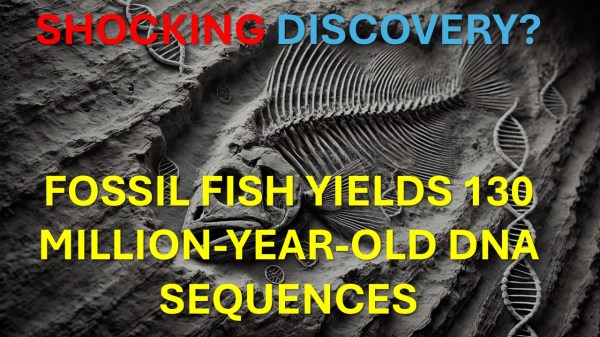
Ancient DNA: Too Good to Be True?
The search for ancient DNA has captivated scientists and the public alike for decades. The possibility of uncovering genetic information from long-extinct species promises to revolutionize our understanding of evolution and prehistoric life and makes one wonder if Jurassic Park might be possible However, the field of ancient DNA research has been fraught with controversies,... Continue Reading →
Challenges to Conventional Scientific Views on DNA and Soft-Tissue Preservation in Fossils
A response to a viewer's challenges to the conventional scientific view on preservation of soft tissues in dinosaur fossils. The writer discusses various scientific studies and explanations to address the challenges, emphasizing that the presence of preserved soft tissues does not negate the evidence supporting an ancient Earth.
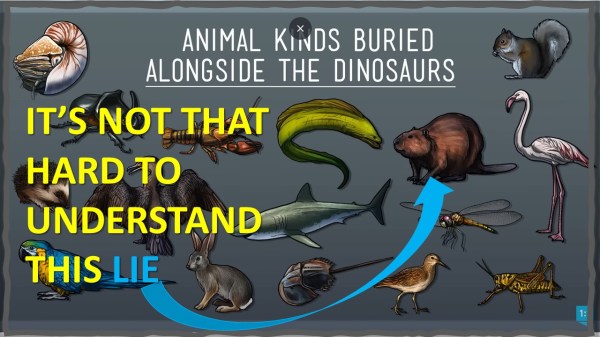
The Persistent Myth of Modern Mammals Living with Dinosaurs
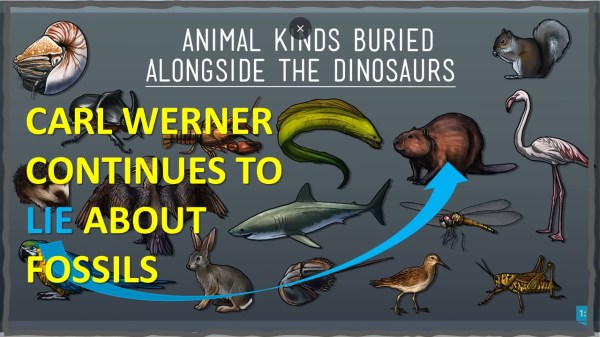
The recent claims of modern mammals coexisting with dinosaurs made by Dr. Carl Werner have sparked controversy. However, a closer look at the fossil evidence reveals a more complex reality. While hundreds of mammal species did live alongside dinosaurs, they were largely different from modern mammals. Accurate interpretation of this evidence is crucial for understanding the true history of life on Earth.
This Week in Creationism Ep 76: Shakeups, Conferences, and Misconceptions
In episode 67 of “This Week in Creationism”, I’m diving into some big news in the young-Earth creationist world, along with a few intriguing science stories that highlight some common creationist arguments and misconceptions. You can watch the full video below or read the highlights in this blog post. https://youtu.be/zeoWwkt5cJk?si=PXe8wp6-b5c9hGBY First up, there's been a... Continue Reading →
Trillions of Fossils: The Ancient Foundation of Ken Ham’s Ark Encounter
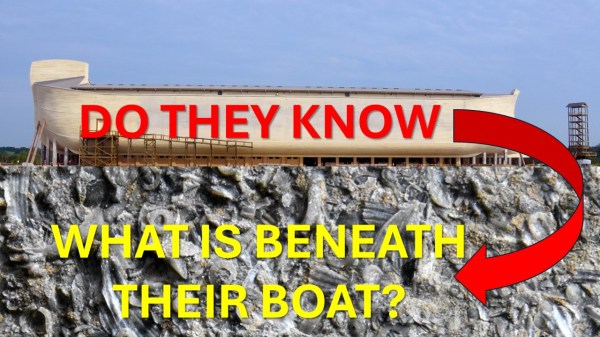
The Ark Encounter in Kentucky sits atop a treasure trove of real fossils, but misses the chance to engage visitors with these incredible resources. Instead of selling imported fossils, they could offer a genuine fossil hunting experience and explore the geological context. Why not use the natural resources available to them? It appears they are more interested in money than real education.