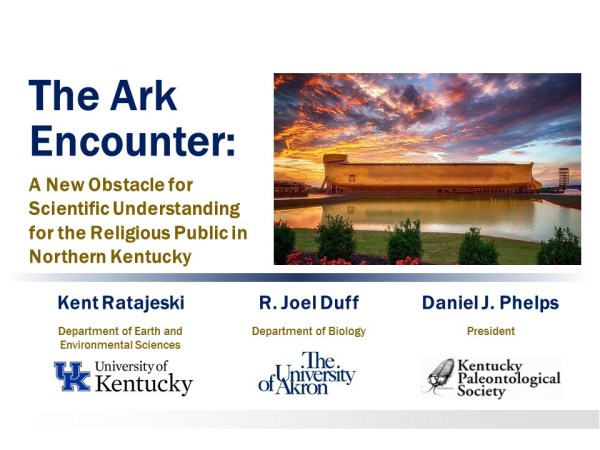
Take a tour of the Ark Encounter with a geologist, paleontologist and myself in this YouTube presentation. In July I visited the Ark Encounter with geologist Dr. Kent Ratajeski from The University of Kentucky. After that trip Kent, myself and Dan Phelps (President of the Kentucky Paleontological Society) worked together - my contribution was rather... Continue Reading →
Hiking through the Jurassic Period in Wyoming: A Sheep Mountain Fossil Hunt
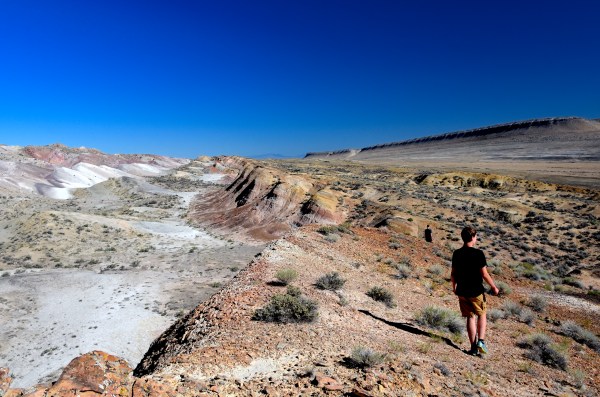
This summer two of my sons and I took a hike through the Jurassic time period. Near Greybull, Wyoming is a long ridge called Sheep Mountain. Geologically speaking, Sheep Mountain is an anticline which is a type of folded bedrock that has an arch-like shape with its oldest rocks at its core. Because what are typically horizontal rock layers are here found tipped... Continue Reading →
Perceiving Age: Student’s Interpretations of the History of Craters on Mars
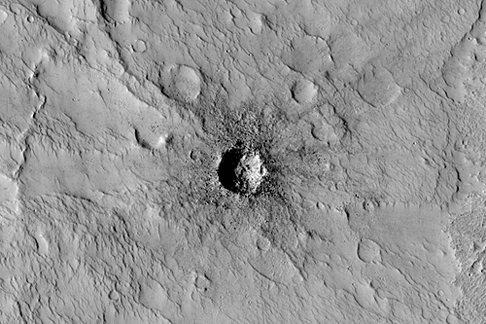
Our perceptions of the age of a subject are frequently based on our common experience with similar subjects. Most people have some ability to guess the age of children with seemingly very little prior information. We might call this ability to guess age our intuition but this "intuition" is the scientific method working automatically in our minds. Our... Continue Reading →
Walking in the Footprints of Giants: The Red Gulch Dinosaur Tracksite in Wyoming
Scattered across the upper surface of a hard layer of limestone in the badlands of the Bighorn Basin in Wyoming are the tell-tale signs of dinosaur activity: footprints. Over one thousand footprints have been identified here, most of them on one exposure of rock in a small gully in the Red Gulch region. On our family vacation this... Continue Reading →
Remnants of a Shallow Sea: A Visit to Monument Rocks in Kansas
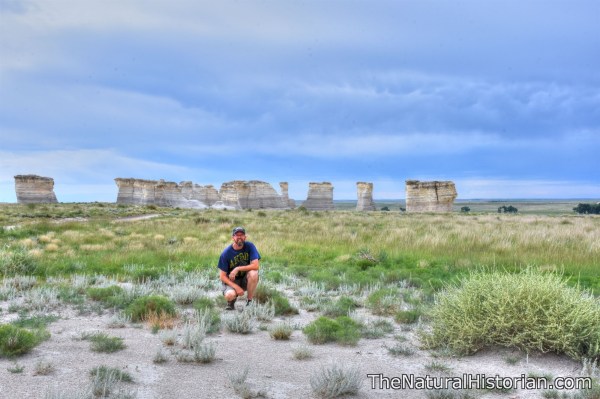
In remote western Kansas, groups of rock pillars stand like a natural Stonehenge over the grassy plains. One such group of these pillars south of Oakley is named Monument Rocks. Returning from our Wyoming and Colorado adventure, we stopped overnight in Scott City, Kansas just south of this interesting rock formation. The following morning we made our way along many... Continue Reading →
NH Summer Update: Vacation, Ark Encounter and Coming Attractions
The past month has been quite an adventure. It has been good to get a break from my job and this blog, which was starting to feel like a job. Hopefully I am refreshed and bring some new perspectives - and photos - to share with you in the coming months. Below are a couple of highlights... Continue Reading →
The Grand Canyon: Magnificent Witness to Earth’s History
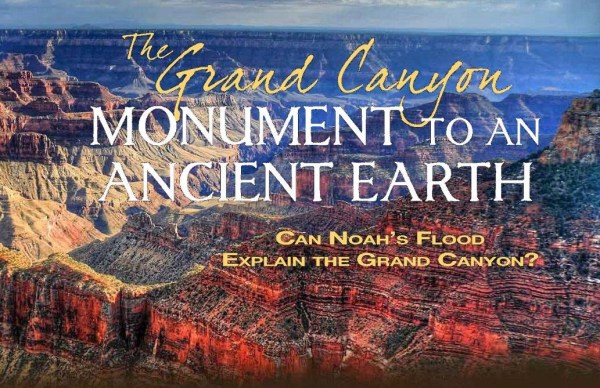
The Grand Canyon is one of the most iconic geological features on Earth. Its immensity of the canyon regularly causes those that have peered into its depths to wonder about its origins. How could such an awe-inspiring canyon have formed? This fascination with the Grand Canyon has fueled a long a history of geological research. As a result there is a wealth... Continue Reading →
The Frequently Overlooked Geological Context of Hominid Fossils
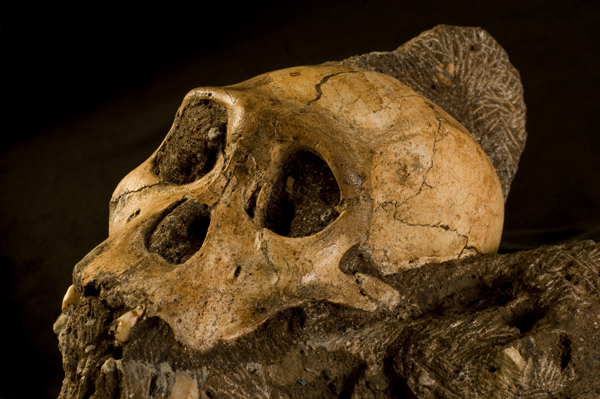
The human fossil record is probably one of these least understood yet frequently discussed topics in the Christian church. I have neither the expertise nor the desire to attempt to resolve the debate over whether particular fossils represent human ancestors or not. I understand that human origins is a sensitive topic, especially within the conservative evangelical church... Continue Reading →
NH Notes: Fossilized Animal Burrows in Argentina from the Triassic Period
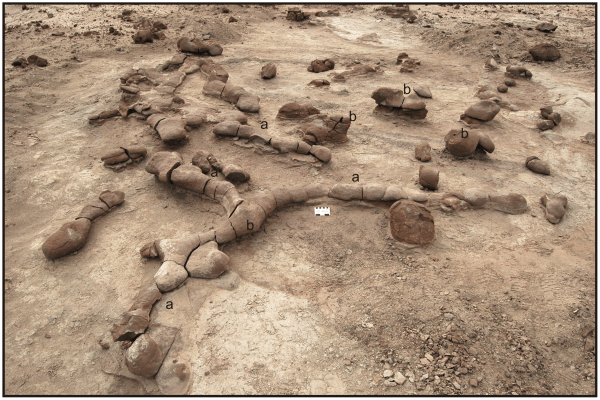
Fossilized bones of dinosaurs, whales and mammoths get all of the attention but trace fossils provide important evidence for interpreting when and how organisms lived on Earth in the past. Trace fossils are not the fossilized remains of organisms themselves but rather are evidence of the past presence of organisms. The most recognizable trace fossils... Continue Reading →
Can You Spot the Difference? The Slowly Changing Surface of Mars
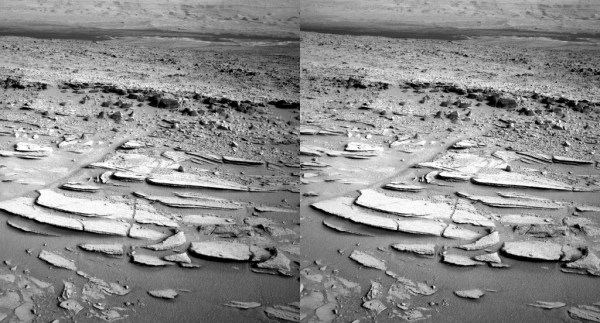
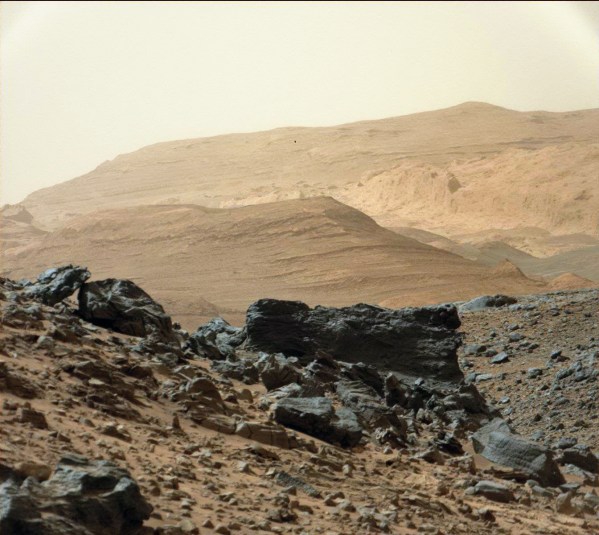
How different is the surface of Mars today compared to one thousand, a hundred thousand or a million years ago? The photo below was snapped by the Curiosity Rover which has spent several years trekking across an ancient lake-bed inside a large crater on Mars. It is a barren, forbidding but strangely familiar and beautiful... Continue Reading →
Curiosity Rover Update: Diverse Geological Formations on Mars
The Mars Curiosity Rover continues to make its way through the basin of Gale Crater on Mars. I’ve provided periodical updates on its progress as it makes its way toward a large mountain in the center of the crater. For the past six months the rover has not moved much, spending its days using the... Continue Reading →
Origins of a Tropical Island II: The Long Road from Lava to Colonization
Imagine a tropic island paradise with beautiful beaches and thousands of plants and birds. Chances are you are imagining an island that formed as the result of volcanic activity. Examples would include the Caribbean islands, the Polynesian islands, and the Hawaiian Islands. But imagine what those islands looked like when they first formed. Rather than... Continue Reading →
Trillions of Stone Age Artifacts: A Young Earth Anthropology Paradox
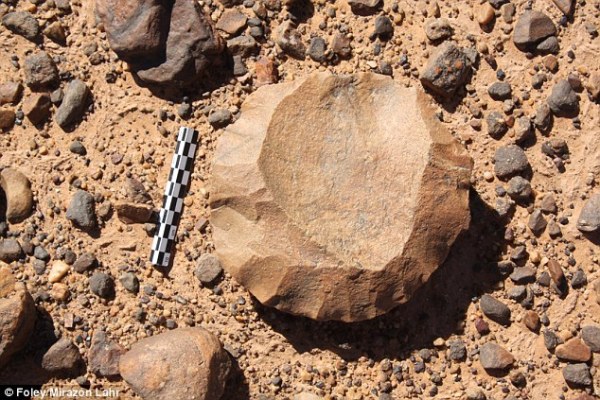
Trillions of stone artifacts cover the surface of the African continent. The product of the manufacturing of stone tools by hunters and gathers over long periods of time, these stone artifacts literally carpet the ground in some places in Egypt and Libya. Just how much Stone-Age produced rock could be strewn across the African continent? Trillions and trillions... Continue Reading →
Origins of a Tropical Island: Instant Paradise or a Long Chaotic Process?
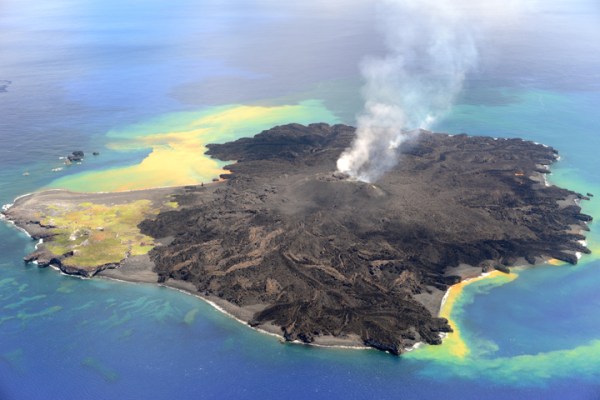
In November of 2013, over 600 miles south of Tokyo, a volcanic eruption formed a new island. That new island continued to grow for over a year, eventually joining itself to the neighboring island of Nishino-shima, a volcanic island formed long ago. Today, volcanic activity continues to cause this new ocean-island to expand bringing it... Continue Reading →
Forams and Diatoms: Testing Young Earth Flood Geology Hypotheses
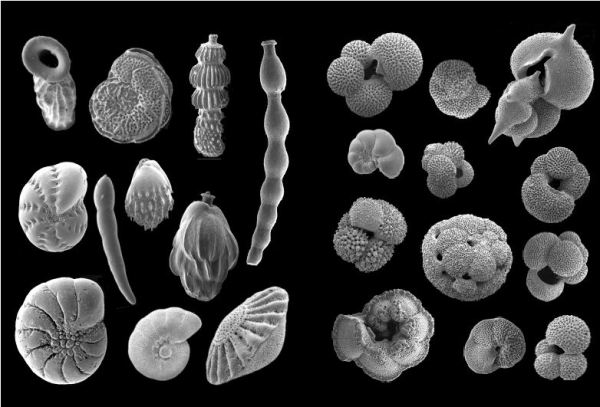
Diatoms with their symmetrical highly-photogenic glass houses may get most of the attention but the foraminiferans (forams) present some formidable competition. In my recent article (Life in a Glass House) I revealed that the glass-house remains of diatoms are conspicuously absent from the bottom two-thirds of the geological column. This raised a rather uncomfortable question... Continue Reading →